Has the Gift of Teaching Ceased?: A Continuationist Appeal

This post may be self-serving, due to my profession (Academic Dean and theology teacher), but I was struck by what might be considered a rather mundane quote in Greg Boyd and Paul Eddy’s, The Jesus Legend.
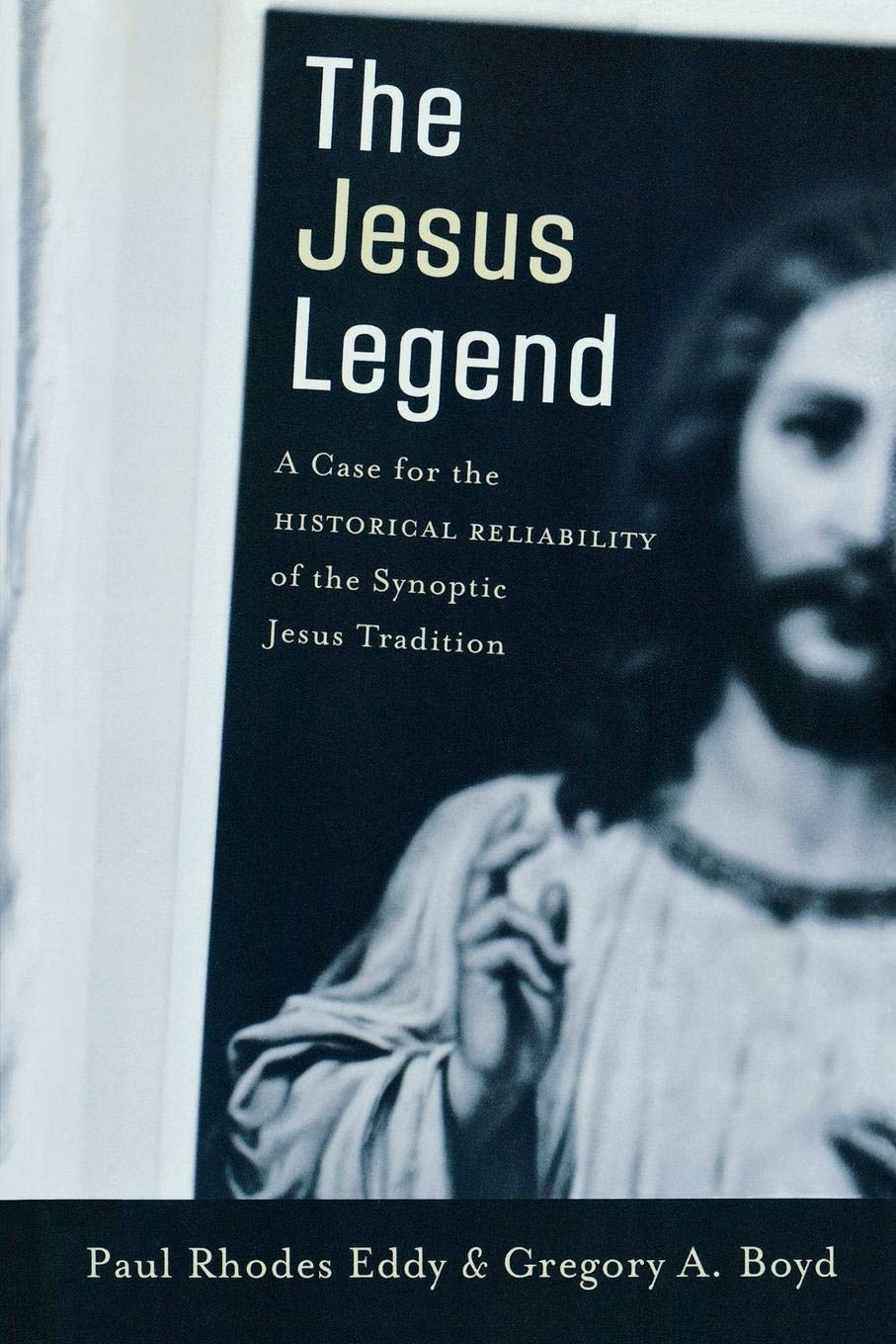
“Undoubtedly influenced by the example of Jesus’s own teaching ministry, teachers seem to have played a central role within the early church and appear to have been the first paid ministers (Gal. 6:6; Didache 13:2). In a predominantly oral community such as the early church, the primary function of these teachers would have been to transmit faithfully the oral traditions….”

Setting aside the fact that quite possibly the first paid position in the church was for teachers :-), let’s recap, according to Boyd and Eddy, why teachers were deemed worthy of remuneration in the early church. In short, the importance of teachers in the early church was largely tied to ensuring the content of the story of Jesus, the “tradition,” was accurately being passed on among Christians. There was concern that without skilled masters of the tradition (professionals?), the content of the gospel would quite possibly begin to be lost. Since that loss was directly counter to the church’s mission, teachers and the gift of teaching was given a prominent place.

Teaching as an Outcome of Pentecost

Matt Foley, motivational speaker.
Location: a van down by the river.

Notice how the teaching role is prioritized from the outset of the church’s life. In Acts 2:42, as a way of pointing to the longer-term outcomes of the giving of the Spirit to the church at Pentecost, Luke writes, “They [believers] devoted themselves to the apostles’ teaching….”

First on the list of a Spirit-filled church is the place given to teaching. And not just any teaching. The emphasis was not on ensuring that each church had a good communicator or motivational speaker, who could hold a crowd’s attention (although communication is part of being a skilled teacher). Nor was the primary concern to ensure the delivery of practical life skills for managing finances and/or anger during the week (as important also as those areas are for Christian life). Rather, the content of the teaching is carefully qualified as “apostolic.”

…the importance of teachers in the early church was largely tied to ensuring the content of the story of Jesus, the “tradition,”…

In other words, the teaching here referred to a specific content related to the life, death, resurrection, ascension, and eventual return of Jesus. That’s why the “apostolic” qualifier shouldn’t be missed here. The Holy Spirit led the church to emphasize the teaching of the apostles, the story of Jesus, in relation to his fulfillment of Old Testament expectations.

Even with the Bible, We Still Need Teachers

I need to insert an important aside here, since Boyd and Eddy’s point above mostly had to do with the role of first-century Christian teachers ensuring the continuance of what was largely an oral tradition concerning Jesus (the New Testament did not exist yet). Now that we do have the four Gospels and other NT books, do we really need those skilled in teaching to help pass along this tradition? Isn’t what’s needed already recorded in the Bible so we won’t forget? Well, yes and no.
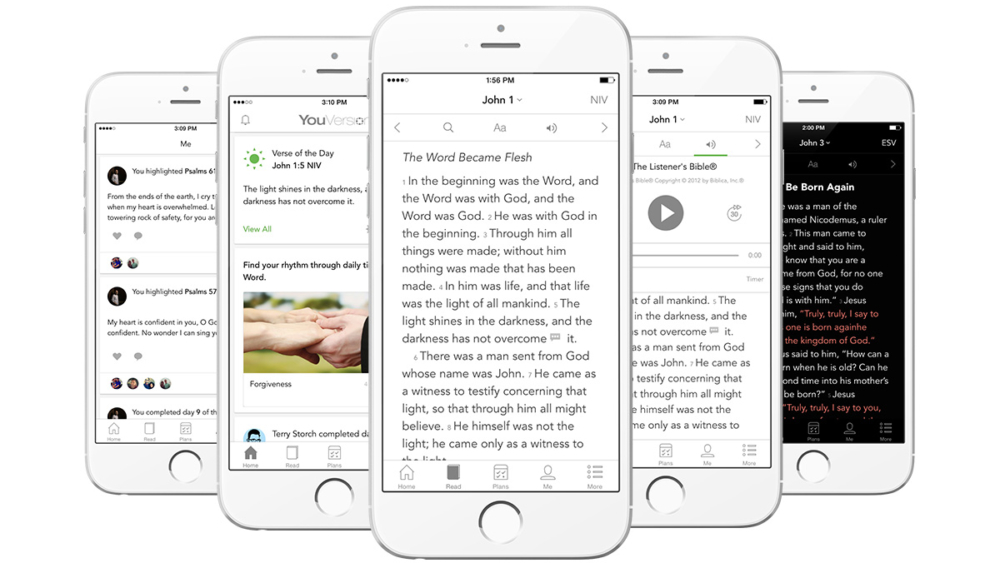
The E-Bible. Making access to Scripture easier than ever before!

Yes, we have the gospel tradition recorded in the words of Scripture. But along with this we need those skilled in helping us understand the content of the gospel in the Bible. The church has always needed this because, frankly, the Bible is not always an easy book to understand. So, the Spirit gifts some people to be able to teach for the building up of the saints. Teaching — of the apostolic sort — is needed to ensure that the church and individual believers are continuing in the gospel tradition.

Programming Teaching out of the Church

A question I’m asking myself these days is whether the role of teacher (as one who is able to pass along the tradition of Jesus) is given sufficient place in churches that tend to structure their discipleship based on two main programs, Sunday worship and small groups. This is sometimes known as the “cell & celebration” model, and it is effective for many things. But I’ve come to believe that focusing on only these two programs has unintentionally but effectively diminished the role of teaching in the church. And this is seriously weakening the church’s ability to make informed, mature disciples, because the story of Jesus (and all sorts of other Bible stuff) is not able to be emphasized to the degree it should be. But why is this the case, despite the effort to make disciples through the two-pronged cell and worship celebration model?
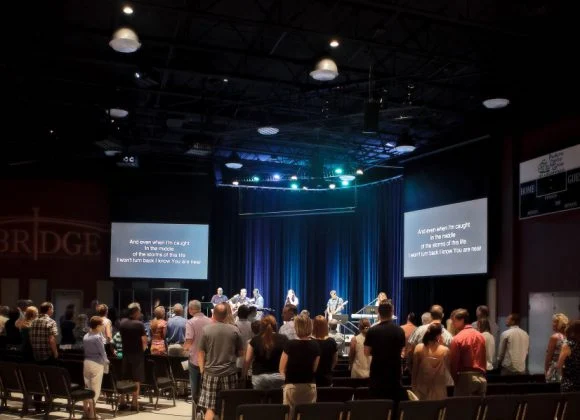
The Sunday worship celebration (or whatever day your church chooses to do this) is effective for inspiration and some measure of teaching. But most pastors would agree that this is not really the most effective for learning the deeper content of the faith. This is mostly due to the larger size of the gathering, and the one-directional method of communication (from speaker to congregation, usually without ample opportunity for Q&A). The worship gathering is an essential component to discipleship, but not as practical, in general, for getting into the deeper content of the gospel, or helping one another along individually in spiritual formation. For that, a different, more intimate venue is needed, and the go-to program to attempt to address this need is the small group.

[apostolic teaching refers] to a specific content related to the life, death, resurrection, ascension, and eventual return of Jesus

The small group is an important program in the local church. These are especially needed when churches grow larger, and want to ensure relational connection is happening within the congregation. Small groups are very good at some things, such as building friendships, providing opportunities for prayer, and promoting practical care between members. These are all crucial elements of being discipled. But despite all these good things, small groups are generally (with exceptions) not very good as a teaching venue.

A stool missing one leg.

There are practical reasons that small groups (SG) are not really effective for teaching gospel content. First, SG leaders often do not want to be teachers; they want to be hosts and facilitators. In other words, they recognize that they are not all that comfortable being the expert in Bible content or spiritual life. Second, if the church really did want to train SG leaders to fulfill the role of teachers, it would need to dedicate a significant amount of its resources (time, money, and personnel) to the task of training. And I mean a lot — to the point of developing something like Bible College-level training. Most churches simply do not have the resources to do this.

So, in the move to the dual-program worship/SG program focus (again, both crucial), a third leg of the discipleship process has been accidentally omitted (or lopped off) — a program venue in which the role of the skilled, Spirit-gifted teacher in the congregation can be utilized. I contend that this is contributing to the challenge that many churches are having is passing on the Christian faith and creating mature, informed disciples. Teaching is perhaps inadvertently being programmed out of the church.

Churches and Leadership Training

Anecdotally here, I will add that a growing number of students we receive into Master’s College, where I serve as Academic Dean, are sometimes very unfamiliar with basic elements of the actual gospel story (and the Bible in general), and other foundational teachings of Christianity. This is not due to lack of character or intelligence of the students. These are good young people, enthusiastic to give their lives for the cause of Christ. Their passion and devotion is strong, but strong ties to the Christian tradition that will best enable them to carry out their calling in the long term is often weak or lacking — at least at the outset. Our faculty recognizes that a large part of their role is to help provide from a foundational level what is lacking in this regard for our students. Our teachers do a great job at this, all the while recognizing that we have students for but a short period before they graduate, and take on leadership roles in our churches and parachurch ministries.

At risk of generalizing, the Bible College usually receives its students from churches, and so it does raise questions as to the teaching that happens within our churches — teaching of the apostolic sort. My point here is not to fault churches or pastors for not wanting to make disciples or to emphasize biblical literacy; every pastor I know wants to do this. I do think, however, that sometimes church program structures may be working against this goal.

A Continuationist Proposal

Three-legged stool of discipleship: regular participation in corporate worship, small groups, and an “apostolic” teaching venue

As a Pentecostal, I believe that none of the gifts of the Spirit have ceased, and all are for today. Further, any programming that excludes the public function of any gift may be detrimental to the building up of the church (although all of this needs to be wisely contextualized; see my teaching here on the Holy Spirit).

What I propose, then, is that we need to rethink our programming to ensure that the gift of teaching is able to continue (along with all the gifts of the Spirit!). This will provide a third leg to our discipleship programming stool. Along with the large group (worship celebration), and small group, maybe we need to make room for another gathering (and I don’t really care where and when this takes place). If we want to stick with the size motif, we could say this is a call for a mid-size gathering. But the size of the group is not really the point, since the type of gathering I’m envisioning could be small or large, but not too large to the point where participation and interaction is restricted. What matters more than the size of the group is the focus. It needs to be on the “apostles’ teaching” — the content of the story of Jesus (the gospel, as Paul calls it in 1 Cor. 15).

That’s my proposal. Now some questions for reflection.

Some concluding questions, especially for pastors…

  1. In what ways is the “apostles’ teaching” being allowed to function in your church? Does the current program structure in our church encourage or discourage the passing on of the apostles’ teaching?
  2. In what ways is the Spirit able to gift people with teaching abilities in your context, and are they able to exercise this gift publicly?
  3. How is the gift of teaching being celebrated and promoted in your church?
  4. Are those with this gift being encouraged to pursue training to enhance their gift?

Bohemian Rhapsody and Worship: Not Just a Night at the Opera

This fall I saw Bohemian Rhapsody. Three times. I never see movies three times at a theatre, let alone a biopic. So why this one?

Well, I was pleasantly surprised when I saw it the first time. I felt like I’d been to a real concert.

The backstory here is that 70s and 80s Pentecostal (and other) fundamentalist subculture passionately discouraged attending such events, and probably for some good reasons. (The farce of backward masking was not one of them.)

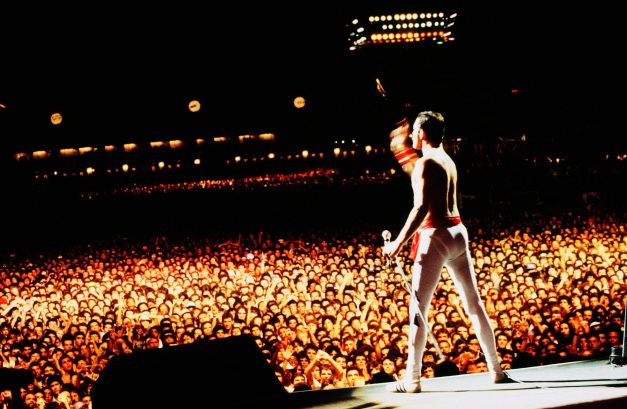
But having finally hit the 50-year mark earlier in the fall, my pathological need to bow to fundamentalist peer pressure was finally starting to crack. I found myself not only viewing the film, but captivated by the depiction of the rock band, Queen, and legendary front man, Freddy Mercury. I was intrigued by the creative rawness portrayed in the music-making process (at least what it was in the 70s), and enjoyed feeling something of the rapture of being caught up (no reference to dispensationalism intended) in participation with the multitude of concert-goers.

I wanted my family, especially my 21-year-old son, the guitar-player, to enjoy this experience as well. But I couldn’t get them all together for one unified viewing, and so was “forced” to go twice more (once with my wife and daughter, and once more with my son).

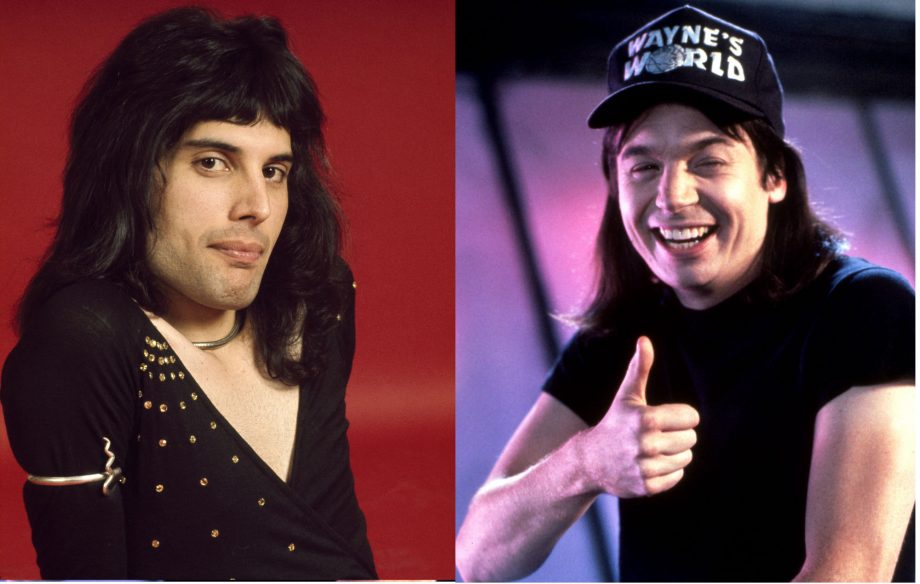
Everyone enjoyed the movie. We now own the soundtrack and another album or two from Queen. And I have a much fuller appreciation of Wayne’s World. Thank you, Mike Myers.

But since I’m a theology teacher, I couldn’t help but have a theological thought or two go through my mind while watching the film. In particular, I began to consider the connection between Queen and worship in the church.

Historical Accuracy: A Caveat

Before proceeding, I need to address a potential criticism of the film in order to avoid having my reflections derailed at the outset. I am aware that Bohemian Rhapsody was not entirely historically accurate on all accounts, especially timeline-wise, in its depiction of Freddy Mercury and the boys. My thoughts are only based on the movie’s rendering of the story. In other words, regardless of how historically precise the movie was or was not is irrelevant for my thoughts here. I’m simply using the film as a literary device for theological reflection. Please humour me.

In case my reference to literary device is unclear, let’s take another movie illustration. Remember in the original Spiderman film trilogy with Tobey Maguire, when uncle Ben told a young Peter Parker that “With much power comes much responsibility”? What can we learn from these wise words that’s applicable to our own lives? Much! And it’s irrelevant that there is no such historical person as Spiderman. We use a scene or dialogue from the movie or book as a tool (device) to spur on other thinking. That’s what I mean by literary device.

Now at this point my preamble has ended up being far too long, but I’m going to forge ahead anyway. I am also going to try very hard to avoid any cheesy applications here using lyrics to Queen’s songs (although in a way, didn’t Jesus come to show all of us that “crazy little thing called love”? Sorry.) Bohemian Rhapsody provoked two reflections for me concerning music and worship in contemporary evangelicalism; one is an affirmation, one is a challenge.

The Affirmation: Celebrate Creativity

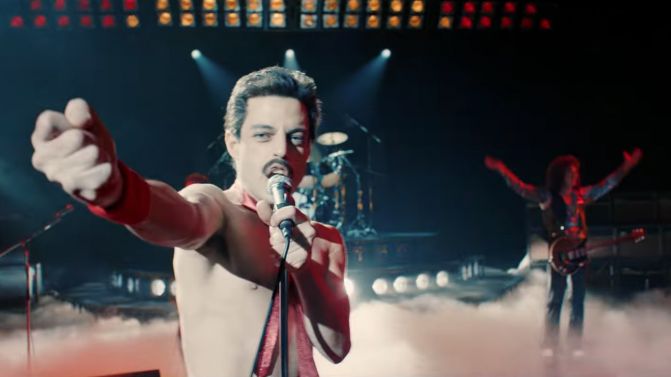
Queen apparently worked hard to be creative in their music. More than one scene highlights this, but one stands out for me: the vignette of the band producing their first album.

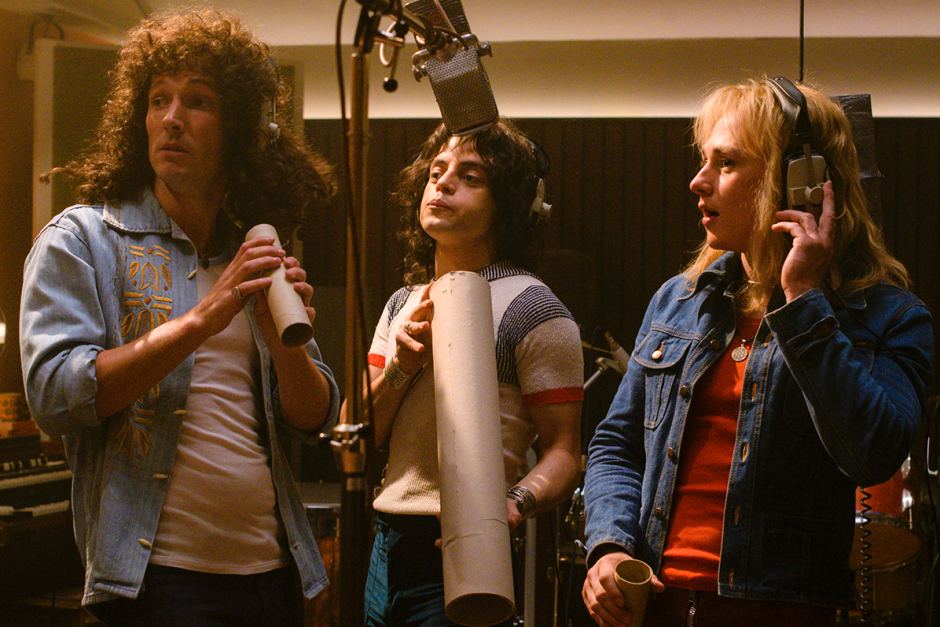
To distinguish themselves from all the other bands out there, the band knew some new sounds were needed. Unique creativity was required, which would entail commitment and a willingness to take risks. 10451488-3x2-940x627And so, we’re shown the young band members selling their only van to pay for time in a recording studio to produce an album. In studio, bandmembers strive to produce new sounds through experimentation—trying everything from swinging amplifiers suspended by a rope, to tossing coins on a drum. Whether Queen was the first to do this type of thing is irrelevant to me (remember, literary device!). The point is that they are portrayed as working hard, giving resources, time, and energy for the sake of creativity.


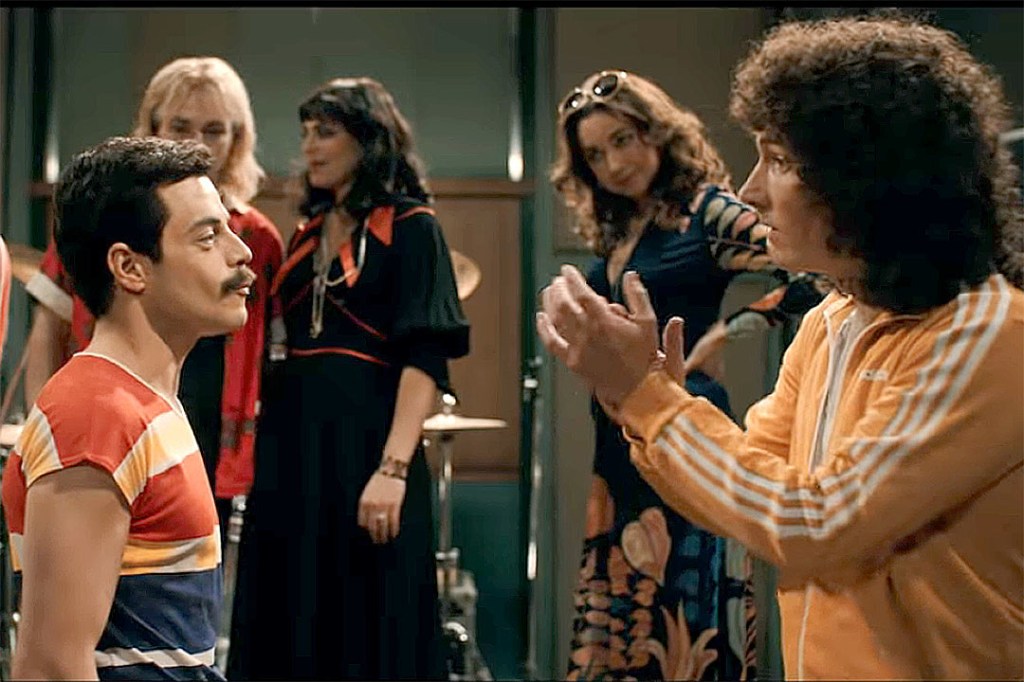
This reminded me of the behind-the-scenes effort musicians and worship leaders put in to helping lead congregations, week after week, in creative ways. True, it’s not quite the same context. The goal of the worship leader is not primarily (or even at all?) to stand out from all the other leaders. And yet, God has given musical and artistic gifts to the church, and creativity needs to be given room to be cultivated. Not all expressions of our creativity will make it into a Sunday morning worship context (nor should it; see my second observation below). But artistic ability—whether musical or other fine arts—needs to be respected, honoured, given room, and enjoyed in the church, since it points us to the God who is the author of creativity. Being creative takes dedication and work. It takes time and energy—actual, physical brain energy. And it takes courage to present what you’ve created, whether song, painting, dance, and so forth, to the public.

good-job

So, kudos to all of you that put in the time to use the gifts that God has given to helping us better appreciate God’s creativity. Keep it up. Maybe even try some new things. Celebrate and enjoy creativity. Bohemian Rhapsody can remind us afresh of the value of the creativity and artistry God has woven into creation.

The Challenge: Distinguish between Corporate Worship and Concert

I was also reminded of a conviction I’ve held for some time, which is that a distinction needs to be made between a music concert and congregational singing in worship. I realize there is disagreement on this, depending on one’s philosophy of worship. See James MacKnight’s excellent recent blog on this here. And trust me, the title of his blog is cleverly and intentionally misleading—please read it!

My view is that worship serves a purpose, which is related to elevating the human view of God and forming people to reflect God’s image more accurately in and through relationship to Christ. In short, worship needs to be connected to the formation of disciples of Jesus, which in turn glorifies God. For me that is a central criterion for determining whether corporate worship is, well, worship at all. This means I tend to think there needs to be a mostly clear distinction between the concert venue and corporate worship venue (with some blurring of categories being inevitable). More about this in a moment.

In another scene in Bohemian Rhapsody, lead guitarist Brian May has band members join him on a studio riser and begin stomping their feet and clapping with their hands to the now famous beat of “We Will Rock You.” May explains that he wants the fans to be able to participate more in Queen’s concerts, since they’ve already been trying to sing along with some of the band’s songs. What instruments does the average concert-goer have? Feet and hands. The audience is intentionally being invited to be part of the band, part of the musical experience.

The fact that participation is being made intentional here is noteworthy, since the crowd has gathered not to hear one another’s voices, but to hear Freddy and the band. Yet the recognition of what spectator participation does to enhance the overall concert experience leads Queen to purposefully incorporate crowd involvement into their act. Both band and audience participate in something bigger than what either could produce on their own.

Concert or Corporate Worship?

Back to corporate church worship. Above I proposed that corporate worship is not to be confused with a Christian concert. I’m not opposed to concerts, Christian or otherwise. They can be enjoyable, encouraging for faith, and simply fun. Why not? But concerts are not corporate worship, which exists for another purpose.

One criterion, for example, that I believe corporate worship needs to fulfil is to make the congregation appreciate that they are communally the body of Christ, the people of God. They must not only know this rationally (e.g., from points in a sermon), but must learn to feel this deeply and (eventually) intuitively. This can be encouraged in a number of ways, but our focus here is only the corporate worship context. In this setting the formation of the sense of communal belonging happens by actual participation in worship together, corporately.

Worship structure, including music, that does not encourage this bonding (what the NT calls “fellowship”—a shared value of spiritual commitment) may actually work against forming participants into thinking and feeling themselves to be members of God’s unique people. In other words, if the structure encourages the regular practice of being an observer, rather than a contributor to the worship experience, then the worshipper will learn intuitively that Christians are individual observers. And perhaps even that worship is about “me and Jesus” and not all those other people who happen to be around me. (By the way, isn’t this exactly what we are inclined to learn when we turn down the lights in worship, so we won’t be distracted by those around us?)

In other words, it’s quite likely that confusing a concert model with corporate worship actually works against at least some of the goals of corporate worship. Rather than offering an alternative to the powerful social forces and rhythms of secular culture—which shape and form us to be, above all, autonomous individuals—the concert model in many ways simply reinforces these.

(Sidebar: To support the above paragraph, and outlining the power of habitual action for discipleship formation, I would highly recommend James K.A. Smith’s, You Are What You Love. He outlines a rationality for discipleship formation by arguing that we become like what we love, what we desire most deeply. Regular, repetitive individual and corporate behaviours have the most impact on shaping what we love.)

Remember the Audience

Where am I going with this? I believe that much current corporate worship is modeled on a concert framework and attempts to evaluate itself based on concert criteria: excellent musician performance and crowd enjoyment (with maybe some participation). I believe this approach to be misguided and in the long-term simply reinforcing of cultural values that we perhaps later try to unsuccessfully mitigate with points in a sermon. I don’t want to overstate this point, since God works powerfully through worship teams despite using the concert model, but I’m convinced it’s not the best practice for discipleship formation.

What is best (or at least much better) practice is for the musicians to bear in mind that the corporate worship context is for the purpose of corporate worship. It is intended to encourage as much crowd participation as reasonably possible in our sometimes very large gatherings. Yes, the worship leaders are still called to excellence, but excellence is evaluated not on performance or every aspect of musical ability being expressed, but in large part on how well the congregation was able to participate in giving honour to God with mind and body (and without having had to practice their singing in advance).

If the average congregation attendee can only with great difficulty sing the songs being used on a Sunday gathering, we just might want to consider whether this really encourages participation or not. If it hinders participation, then something needs to change; that is unless something we value more than corporate worship as discipleship formation is driving us.

In any case, Bohemian Rhapsody brought afresh to my mind the need to remember the audience. In fact in one more memorable scene (my son calls it magical) the band is performing in Rio. The Portuguese-speaking audience spontaneously beings singing the English words to “Love of My Life.” Now, please ignore the fact that the film presents this concert probably a full ten years before it actually happened.  (Remember, literary device! And to watch this magical moment from Rio in 1985, see here.) My point is that in the movie Freddy Mercury serves as an excellent example of one leading a crowd to sing a song together. He hardly even sings much of the song, even using his hands and arms to guide the crowd, since he knows he is no longer performing but leading. If Freddy could recognize a difference between performance and participation in his concerts, then maybe there’s something to this distinction after all.

Creativity Serves Worship

One more thought. Perhaps we can put both these ideas together: celebrating and encouraging creativity for the purpose of corporate worship. Creativity in this case will entail hard work and sacrifice, but will more intentionally be directed to an end—corporate discipleship formation. Here creativity does not exist for its own sake, but deliberately serves a bigger purpose. It may even recognize that constant innovation in corporate worship is arguably not best practice for long-term discipleship formation; creativity needs to serve a larger framework.

One application that I would encourage is that those creatively gifted in composing music and lyric-writing aim especially to write pieces that are not only biblically faithful (notice I didn’t say theologically complex), but also that are easy to sing corporately for the average person. Create songs that encourage maximum participation, with the goal building up one another into Christ’s body (Eph 4).

Who knew that Freddy Mercury could teach us so much about leading worship?

Weary of Singing about Ourselves: Recovering the Neglected Dimension of Worship, Part 2

Admittedly, more than a little time has passed since my last blog.

But let’s think of this blog hiatus not so much as a matter of my being negligent, but more so of a long dramatic pause, in which anticipation has been building. Sort of like the year-long interlude between installments of The Hobbit or Hunger Game movies. 20131213_090610

This interruption raises some issues of continuity, of course, particularly because this instalment is a second part of a previous blog on worship. So it might be worth re-reading the first part. But without further ado, let’s get to it.

My contention to this point is that in Pentecostal (and broader popular evangelical) worship the subjective dimensions have been emphasized to the detriment of the objective. I’ve demonstrated what I mean by the “subjective” in my previous blog, namely having ourselves (humans) as the subject matter of our songs and prayers. Now I need to explain what I mean by “objective” and why it’s so crucial. Both aspects are necessary for properly formational worship, of course, but I think the objective dimension deserves priority.

By the objective dimension I am referring to God’s story being the focus, the subject matter, of our songs. This is the story we find in the Bible, and the story into which we find ourselves invited.

Subjectively-oriented worship songs highlight our personal relationship with God, through Christ by the Spirit, as an element of being included in God’s story. But this subjective dimension needs to be framed by God’s story lest we get the impression that all that matters is my personal relationship with God (and, more narrowly, the state of my internal psychological dispositions in that relationship). God’s story, the objective dimension of worship, is what gives meaning to the subjective dimension.

A focus on the objective dimension of worship means giving ample attention to God and his story. God’s story is found in Scripture. The Bible tells his story—his desires for humanity and creation, his plan, through Jesus, to redeem what has been broken and lost. The Bible does not simply make abstract statements about God (e.g., God is love), but places these in the context of a story that demonstrates the actions of God as, say, loving. What this means is that we don’t really know God unless we know his story. His story reveals his identity. Abstract concepts do not.

This implies that it is necessary but not sufficient simply to have the name “God,” “Father,” “Jesus,” or “Holy Spirit” in our songs. The subject matter of what we sing must not simply make offhand reference the proper names of God, but must actually revolve around God and his story. So, we need to ask ourselves about the subject matter of our songs. Is the song primarily about us or about God and his story? If the songs we sing in worship do not actually reiterate the story of God, then those singing will simply provide the content (from our imaginations) of what these names, or other abstract concepts, mean.

(So, it might not be a bad exercise to do a longer-term review of the songs regularly sung in our churches. In the past three months what has been the primary subject matter of our songs? God and his story, or us?)

The above may seem to be a fairly abstract way of talking about worship. But here’s what it practically implies for what we do when we gather together. In large part corporate worship is to be a reiteration or re-telling of the story of this God and his actions in history, with special attention given to the story of Jesus, through whom God’s redemptive plan is worked out. It is this that actually shapes the people of God to be what God wants them to be.

Assumed in what I’m saying here is a philosophical commitment that needs to be made explicit: I believe that worship needs to serve the ultimate purposes of discipleship and Christian formation. Worship ultimately serves discipleship. So, if worship is deficient, so too will be the discipleship of those regularly participating in that worship.

0924101413-00Here I’m not saying anything new. The church has always said that the “rule of prayer is the rule of faith.” In other words, the way we worship is what we believe; or, the way we worship shapes what we believe and who we are. But this means our worship needs to be theologically thoughtful and practically intentional—far more so than it often is.  A couple good resources on this are the late Robert Webber’s, Ancient-Future Worship, and from a more pentecostal angle (note the small “p”), Glenn Packiam’s Re-Forming Worship.

Worship, then, is to serve to regularly retell and even re-enact the story of God, so that we are again and again (and again) reminded of the God with whom we have to do. Only in this way will our individual lives as followers of Jesus be properly given context. We will be drawn into a story that is much bigger than our own lives, and a story that in fact gives our lives meaning. In short, worship will help form us into the people—corporately and individually—that God intends us to be.

And this can only happen if the primary subject matter of our worship is God.

This view might well raise some objections and questions—particularly from Pentecostals, who might object that this view sounds too cerebral. I promise that’s not what I’m suggesting. But we will need to wait to address such concerns until the next installment, which I promise (pinky-swear) will not be long in coming.