Theological Musings and Reviews from a Pentecostal Perspective
Author: Peter D. Neumann
Peter is a Pentecostal theologian and Vice President, Academic at Redeemer University in Ancaster, ON, Canada. He holds a PhD in theology from the University of St. Michael's College. Follow @pdneumann.
I recently reviewed Jacob Shatzer’s, Transhumanism and the Image of God, for Pneuma journal. It’s an important read for Christian leaders for a number of reasons. I can’t post that fuller review here, but will highlight some take-aways to perhaps pique reader interest.
Technology and Transhumanism
First, Transhumanism is a philosophical movement and ideology. It is a worldview, argues Shatzer, that holds a highly optimistic view of human progress. But the ongoing progression involves the freedom to integrate tools of technology, especially digital forms, into the process of human enhancement and development.
Second, for Transhumanists technology is viewed as an indispensable tool for human advancement, and humans have a right to unrestricted use of technology. This includes the right to modify one’s body or even brain using technology. Tech-integration allows not only for new ways to experience reality (through virtual and augmented reality), but holds potential to redefine and create new realities. Transhumanists celebrate the idea that we might one day be free to either clone or upload our minds onto non-biological substrates. In other words, maybe being biological is not necessary to being human after all, and perhaps a decent hard drive or advanced robotic body will suit us better.
Third, all use of technology shapes the user in some way. This is one of Shatzer’s key points in the book. Every technology has a purpose, a goal, whether hammer or smartphone. Further, no technology is neutral. Using any technology means giving up something else (i.e., the ability to be free of the goals of given technology). If I use a hammer often, I tend to, as the saying goes, begin to see everything as a nail. Likewise, with smartphone in hand, everything becomes potential for a possible social media post, and I need to evaluate whether to do so or not. The tool in hand changes my focus to follow its functional purpose.
Fourth, uncritical use of technology tacitly leads humans to adopt the values and expectations of Transhumanism. Regular and uncritical use of technology will, over time, inevitably conform the user towards serving the purposes of the tool. And, whether I have heard the term or philosophy of “Transhumanism” or not, repetitive use of technology will shape my desires and beliefs toward being more open to transhumanist ideology.
Shatzer has a lot more to say about Transhumanism and the impact of digital technologies, but the above points stand out as highlights for me. In light of the above, we should make the effort to reflect more critically concerning our use of technology (and how it uses us). For Christians, it should lead us to evaluate how our personal and church lives are being shaped by our engagement with various technologies. A current example might help.
Virtual Bed Church
Right now we are learning how to live within the constraints of the COVID-19 pandemic health protocols, including physical distancing and (until very recently) the inability to gather together for corporate worship. Churches have done a lot of work to make virtual gatherings possible through use of video technologies. While this situation has led some to long all the more for reuniting in person, the experience of being able to meet virtually has also impacted expectations and possibilities.
Many are now used to virtual social interaction. And whereas four months ago, we might not have considered such to be a practically acceptable way to gather for worship, now we at least know we can do it, and perhaps even weigh the advantages and disadvantages of each delivery method more pragmatically (does this “work” for immediate ends?) than theologically (is this working for long-term ends revealed in Scripture?).
After all, virtual worship doesn’t even demand I get out of bed! (Or so I’ve heard 😁.) While that helps, say, with overcoming the immediate discomfort barrier of having to get myself to a gathering where I might need to interact with not only friends but strangers, is bed worship the best venue for helping me become more a part of the corporate temple of the Spirit being built by Jesus (1 Cor 3:16)? (Rhetorical question. Answer most likely “NO.”)
Embodied Worship
This image simply emphasises embodiedness and is not intended to suggest a form of worship that might vaguely remind the Christian fundamentalist of yoga. Please do not email me about this. Sigh.
Christian worship should always aim to be embodied worship as much as possible, for at least a couple of reasons. First, humans are created as flesh, and of the dust (meaning mortal in biology). This was God’s choice; he didn’t need to make us out of meat, but he did. Second, Jesus comes as the Son of God incarnate. Literally also enfleshed and made out of meat. Further, he currently reigns as risen Lord in the flesh. God has chosen to bond himself to the human race with our biological substrate.
The purposeful biological nature of humans should encourage us to be mindful as we engage with digital technologies in corporate worship. This is not to negate the usefulness of virtual technology for worship in special circumstances, such as connecting with those unable to participate in person with the congregation due to physical disabilities. But it does mean that the move towards virtual connection should remain an exception rather than merely an equally acceptable alternative.
Mindful Technology
I commend Shatzer’s book to Christian leaders. It will help us become more fluent in the cultural “language” of technology, along with the need to be more mindful of how we’re already being shaped by the technological tools we use. In turn, this should assist us in discerning when and how to implement technologies into our Christian worship and discipleship.
Here’s a fun one. In a recent blog, Roger Olson argues that current decisions by Christian believers to not assemble together for worship due to COVID-19 are right and good. But this decision indicates that these Christians tacitly believe it’s right and good to not obey an explicit biblical command (and a New Testament one at that!). At least not strictly.
The command comes from Hebrews 10:25 (I’ll include v.24 for context).
And let us consider how we may spur one another on toward love and good deeds, not giving up meeting together, as some are in the habit of doing, but encouraging one another—and all the more as you see the Day approaching.
Let me say that I’m among those Christians who believe that the current reality of COVID-19 means that we should break this biblical command in order to live wisely and fulfil the more important law of love towards others (as this Christianity Today article argues). But not all believers feel this way, with some churches (thankfully a minority) refusing to close their doors, and others even encouraging physical contact, like hand-shaking during worship gatherings, as a public sign of faith in God (and an exercise of political freedom). And responses to this type of social and political non-compliance have received reactions from the wider Christian community in the form of corrective teaching or outright rebuke.
Actions Reveal our Interpretive Assumptions
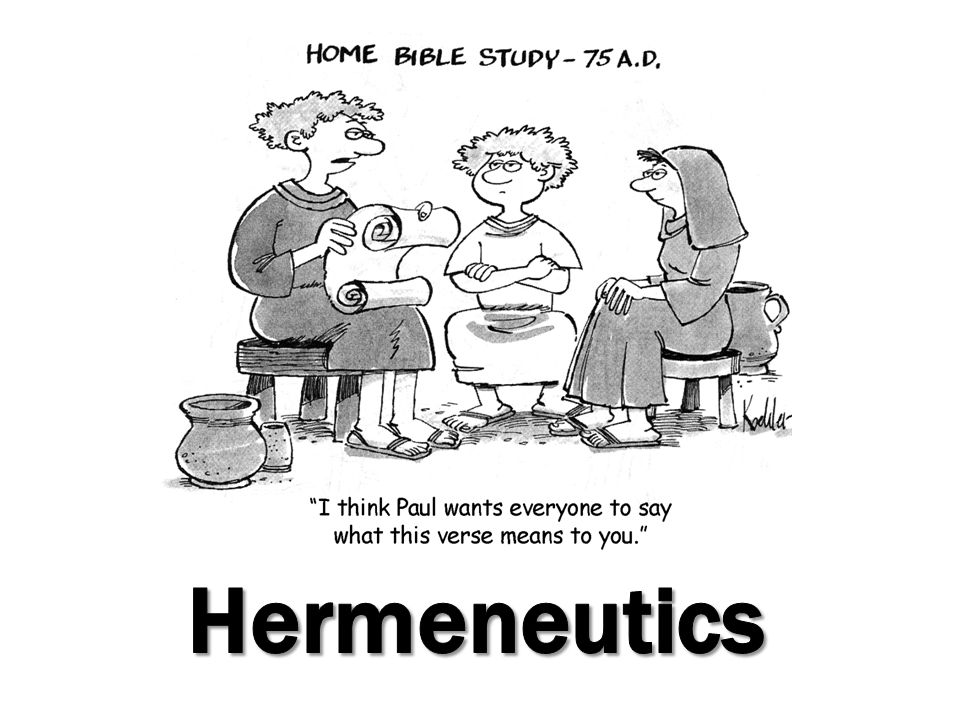
But what strikes me about the actions of both the compliant and non-compliant in this social distancing situation is that our actions often reveal our interpretive (hermeneutical) assumptions concerning how the Bible should be understood and applied.
Some of the compliant might quickly rebut and say that we are not disobeying God’s word, and are meeting as much as we can; it is simply happening in a virtual medium online. True. But I’m fairly sure that most would not be entirely convinced that virtual meetings are quite the same as physically meeting together. So, I’m guessing that while we meet virtually, this is assumed to be a temporary measure until we can return to a more physical and human expression of Christian spirituality.
Back to my point. Church and individual Christian compliance or non-compliance to COVID-19 social distancing recommendations does tell us something about the way we understand the Bible, and what the Bible is for.
Are You Really A Biblical Literalist? Really?
For all those who considered themselves to be devout literalists, and yet who are choosing to not obey Hebrews 10:25 literally, it may be that you’re not quite the literalist you assumed yourself to be. You might even perhaps be, in reality, a mild-mannered and selective moral relativist. And this is in part what Olson is arguing. The very decision to not physically assemble together is at the same time a choice to set aside the literal biblical command to assemble. We might imagine that the writer to the Hebrews would have viewed present circumstances as an exception to the command. But in doing so we are using conjecture, since, strictly speaking, no exception is provided in the passage.
Here’s where things get fun. If we’ve chosen to make an exception to an explicit NT command here (due to extenuating circumstances), are we not in fact giving our present situation (our corporate experience) some measure of authority when it comes to the way we interpret and apply the biblical text? Seems like it to me, and I believe it is spiritually right and wise to do so.
This does not mean that biblical interpretation becomes a free for all, as Olson also points out. But it does mean that a flat literal reading of the Bible is not something that can be adhered to easily or consistently, and any church or Christian leader that has (rightly) chosen to forsake physical assembling of believers, even temporarily, is simply demonstrating this reality. In fact, they are demonstrating that their interpretive approach to the Bible is complex, and not strictly as literal as might be assumed.
Put concisely, those who stayed home from church these past few weeks, and pastors who have shut their church doors, have already abandoned, in practice, flat literalism as a way of iterpreting Scripture. And this should cause us to reflect and ask important questions, such as, what principle(s) does guide our understanding and application of Scripture?
Being mindful of How We Interpret Scripture in Real Life
It’s times like these, where we are compelled to make choices (and relatively quickly) that our interpretive assumptions and convictions come to light. We might discover that we’re far more pragmatic than we believed (we interpret the Bible to get the results we hope for — and this is not always a bad thing). As this happens, let’s be mindful of what we are deciding and why. Not so that we are frozen in indecision, nor to change our minds on what we’ve already decided. Rather, take time simply to observe what you’ve been deciding when it comes to biblical and spiritual matters and why.
What principles are actually guiding your choices as a Christian or church leader? What guides your biblical interpretation (what’s your hermeneutical approach to Scripture)? And if you’re satisfied with your interpretive (likely non-flatly-literal approach), are there other parts of Scripture where you’ve not allowed this hermeneutic to be applied in the same way? Why might this be, and what might happen if you do?
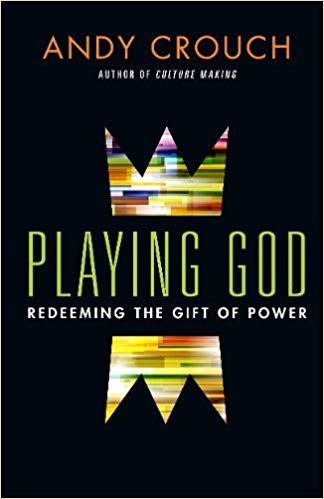
I’m just about finished reading (well, listening to) Andy Crouch’s, Playing God: Redeeming the Gift of Power. This is an important read for pastor and church leaders. One element that I really like is that Crouch affirms power as first and foremost a gift from God, and not primarily an evil. He also makes a strong case for institutions being the normal way for power to be multiplied, and for getting things done. Institutions are, therefore, not a necessary evil, but actually a necessary good.
Of course, like any gift in creation, power can be misused; and when power is misused, things go very bad, especially when wielded institutionally. So, all humans, but especially those with designated power or authority, are to grow in our awareness concerning how the gift of power is to be used, and how to avoid the subtle pitfalls that accompany a gift that comes with such potency for good or ill.
Playing god, innocuously
Crouch references Apple creator, the late Steve Jobs, a number of times in the book, as one who wielded tremendous power, formally and informally — sometimes well, other times not. One seemingly innocuous story highlights the latter. The story in brief is this. Jobs ditched a scheduled meeting with his co-workers for a spontaneous date with the woman who was later to become his wife, Laurene Powell. You can read Crouch’s retelling of this account for context, along with some commentary here (on pp. 133-136 of the book). But two comments Crouch makes are especially striking. The first relates to Jobs’ choice to break his obligations (promises) to others to pursue his romantic interests:
But in fact, what Jobs had done was play god, a god whose promises do not matter and, indeed, are ostentatiously broken in order to supercharge a new opportunity with the tantalizing taste of forbidden fruit. It is the stuff romantic dreams are made of: throwing caution to the wind, dropping everything for another glimpse of one’s crush. It is perfectly understandable. And it is saturated with god playing.
So, Jobs’ actions may have seemed trivial, but they reveal a willingness to overstep boundaries, especially when the right to do so is assumed. This is “god playing,” and we, like Jobs, also like to play god.
Second, rather than call each other on this power over-step, we not only ignore, but culturally have often spun this type of disregard of promises into a virtue of sorts. Crouch explains:
Yet this is exactly the sort of story we tell all too often about our heroes—or, better put, our idols—stories of breaking the rules in order to get the girl, bending the truth to serve some great cause, committing crimes in order to achieve justice. False god players believe that to have what we really need and want, we have to break our promises. We believe this, as Jobs’s choices that night show, even when it is patently not true.
Giving misuse of power a pass
Crouch goes on to say that we may tend to give creative, entrepreneurial people like Jobs a pass for their narcissism and misuse (sometimes outright abuse) of power because of the results they achieve. In other words, we all too frequently assume abuse of power is necessary in order for a person to fully exercise their creativity in a maximal beneficial way. Isn’t this, after all, what enabled Jobs to achieve what he did? This type of thinking is true, by the way, both outside and inside the church (and it is idolatry, “false god playing,” in both contexts). Crouch argues that this assumption is dead wrong. He states:
Of course, the opposite is closer to the truth. It is not those who keep their promises who end up bereft, but those who have been seduced into god playing.
Abuse of power never, then, ultimately brings about maximal human flourishing for group or individual.
I’m not as concerned as much here with what happens outside the church world as inside it, although both realms are important. But since within the church we have at least in principle declared that our allegiance is to Jesus, it is a very serious matter when idols of power (i.e., misuse/abuse of power) are allowed to operate unidentified and unchecked, or worse yet, celebrated as a necessary part of the “entrepreneurial” or “creative spirit.”
What do you think?
So, what do you think? Do creativity and entrepreneurship necessitate that we (ought to) look the other way when abuse of power is evident (even when the abusers are getting results)? Or is Crouch right, that the best expression of creativity and entrepreneurship, for both the creative individual and the masses, is that which works towards allowing others to also exercise their power as agents made in God’s image? And if Crouch is right, how might this change the way we handle “false god playing” in the church world?
Ever felt disoriented in your faith? Ever felt the need to broadcast your raw doubts and emotions to the world via social media?
Marty Sampson
In early August, Hillsong worship leader and songwriter, Marty Sampson, posted a now widely-read Instagram post (now removed) announcing the apparent loss of his Christian faith. He identifies at least half a dozen reasons for his doubts, with a recurring theme seeming to be that the church (at least the church in which he finds himself) has not allowed space to ask the tough questions.
John Cooper
Since Sampson’s very public confession, John Cooper, lead singer for the Christian band, Skillet, published a Facebook post where he expressed his disappointment in Sampson and other Christian leaders venting publicly on social media, in particular about their abandonment (or almost abandonment) of the Christian faith. Sampson has since fired back with a rejoinder to Cooper.
Now, Gen Xers like myself might be tempted to simply roll our eyes at this public joust between celebrity Christians debating how influencers should use their influence. But if we resist this temptation, not only will we avoid possible eye strain, we’ll be able to focus and reflect on some important and very relevant issues here.
When it comes to the matter of spiritual disorientation. Many, if not most, Christians at some point experience some measure of doubt or confusion about their faith. So, while we might have some opinions about the appropriate use of social media for venting raw emotions (especially for Christian celebrities), it’s not the case that Christians should ignore our emotions or questions that might unsettle us.
Scripture Talk on Ps 73
The above is simply a preamble to give context to a teaching session in which I addressed the issue of spiritual disorientation, looking at Psalm 73. This Psalm was composed by Asaph, Israel’s worship leader when Solomon was king. It reveals Asaph’s own struggle with doubts about God’s goodness. He wonders whether remaining faithful to God is really worth it, or even realistic, considering the prevalence of injustice in the world. Asaph reminds us that sometimes we’ll feel that reality doesn’t match what we’d expect if a good God was really in charge.
This talk was given at King St. Community Church’s Young Adult group, where I’m currently serving as interim leader. I’d already planned to speak on Ps 73 prior to Marty Sampson’s Instagram post, but having a widely-known worship leader publicize (perhaps prematurely) his own Asaph moment, really helped highlight the relevance of this raw but encouraging Psalm. The focus is the way habitual corporate, God-centred worship can help serve as a point of reference in reorienting believers in their faith.
So, please give this a listen. I’d appreciate your feedback, and some reflection questions are below.
KSYA – Disoriented: Help When Faith Doesn’t Make Sense 2019-08-18
Questions for Reflection
What questions or observations might cause you to become disoriented in your Christian faith?
What’s your reaction to some Christian leaders announcing their faith struggles (feelings, response, etc.)?
To what extent is corporate worship (gathering with other Christians to focus on God) important for your spiritual life? Why?
What do you think of the idea that worship needs to be God-centred?
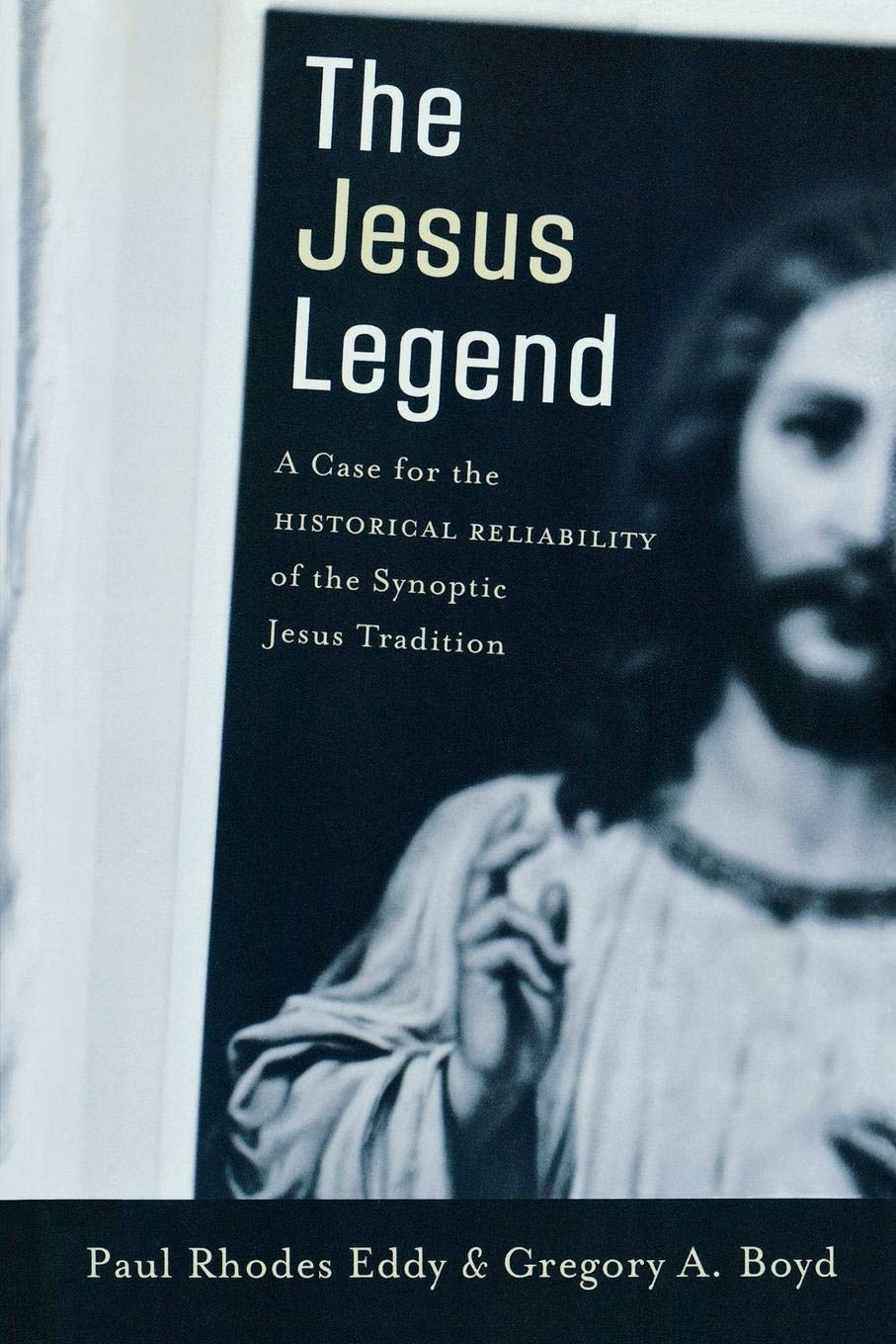
This post may be self-serving, due to my profession (Academic Dean and theology teacher), but I was struck by what might be considered a rather mundane quote in Greg Boyd and Paul Eddy’s, The Jesus Legend.
“Undoubtedly influenced by the example of Jesus’s own teaching ministry, teachers seem to have played a central role within the early church and appear to have been the first paid ministers (Gal. 6:6; Didache 13:2). In a predominantly oral community such as the early church, the primary function of these teachers would have been to transmit faithfully the oral traditions….”
Setting aside the fact that quite possibly the first paid position in the church was for teachers :-), let’s recap, according to Boyd and Eddy, why teachers were deemed worthy of remuneration in the early church. In short, the importance of teachers in the early church was largely tied to ensuring the content of the story of Jesus, the “tradition,” was accurately being passed on among Christians. There was concern that without skilled masters of the tradition (professionals?), the content of the gospel would quite possibly begin to be lost. Since that loss was directly counter to the church’s mission, teachers and the gift of teaching was given a prominent place.
Teaching as an Outcome of Pentecost
Matt Foley, motivational speaker. Location: a van down by the river.
Notice how the teaching role is prioritized from the outset of the church’s life. In Acts 2:42, as a way of pointing to the longer-term outcomes of the giving of the Spirit to the church at Pentecost, Luke writes, “They [believers] devoted themselves to the apostles’ teaching….”
First on the list of a Spirit-filled church is the place given to teaching. And not just any teaching. The emphasis was not on ensuring that each church had a good communicator or motivational speaker, who could hold a crowd’s attention (although communication is part of being a skilled teacher). Nor was the primary concern to ensure the delivery of practical life skills for managing finances and/or anger during the week (as important also as those areas are for Christian life). Rather, the content of the teaching is carefully qualified as “apostolic.”
…the importance of teachers in the early church was largely tied to ensuring the content of the story of Jesus, the “tradition,”…
In other words, the teaching here referred to a specific content related to the life, death, resurrection, ascension, and eventual return of Jesus. That’s why the “apostolic” qualifier shouldn’t be missed here. The Holy Spirit led the church to emphasize the teaching of the apostles, the story of Jesus, in relation to his fulfillment of Old Testament expectations.
Even with the Bible, We Still Need Teachers
I need to insert an important aside here, since Boyd and Eddy’s point above mostly had to do with the role of first-century Christian teachers ensuring the continuance of what was largely an oral tradition concerning Jesus (the New Testament did not exist yet). Now that we do have the four Gospels and other NT books, do we really need those skilled in teaching to help pass along this tradition? Isn’t what’s needed already recorded in the Bible so we won’t forget? Well, yes and no.
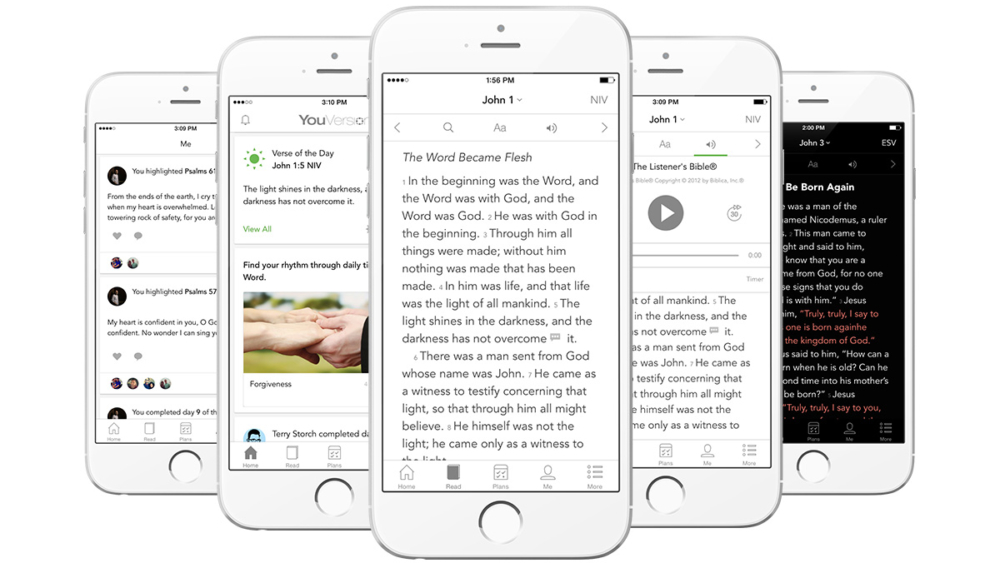
The E-Bible. Making access to Scripture easier than ever before!
Yes, we have the gospel tradition recorded in the words of Scripture. But along with this we need those skilled in helping us understand the content of the gospel in the Bible. The church has always needed this because, frankly, the Bible is not always an easy book to understand. So, the Spirit gifts some people to be able to teach for the building up of the saints. Teaching — of the apostolic sort — is needed to ensure that the church and individual believers are continuing in the gospel tradition.
Programming Teaching out of the Church
A question I’m asking myself these days is whether the role of teacher (as one who is able to pass along the tradition of Jesus) is given sufficient place in churches that tend to structure their discipleship based on two main programs, Sunday worship and small groups. This is sometimes known as the “cell & celebration” model, and it is effective for many things. But I’ve come to believe that focusing on only these two programs has unintentionally but effectively diminished the role of teaching in the church. And this is seriously weakening the church’s ability to make informed, mature disciples, because the story of Jesus (and all sorts of other Bible stuff) is not able to be emphasized to the degree it should be. But why is this the case, despite the effort to make disciples through the two-pronged cell and worship celebration model?
The Sunday worship celebration (or whatever day your church chooses to do this) is effective for inspiration and some measure of teaching. But most pastors would agree that this is not really the most effective for learning the deeper content of the faith. This is mostly due to the larger size of the gathering, and the one-directional method of communication (from speaker to congregation, usually without ample opportunity for Q&A). The worship gathering is an essential component to discipleship, but not as practical, in general, for getting into the deeper content of the gospel, or helping one another along individually in spiritual formation. For that, a different, more intimate venue is needed, and the go-to program to attempt to address this need is the small group.
[apostolic teaching refers] to a specific content related to the life, death, resurrection, ascension, and eventual return of Jesus
The small group is an important program in the local church. These are especially needed when churches grow larger, and want to ensure relational connection is happening within the congregation. Small groups are very good at some things, such as building friendships, providing opportunities for prayer, and promoting practical care between members. These are all crucial elements of being discipled. But despite all these good things, small groups are generally (with exceptions) not very good as a teaching venue.
A stool missing one leg.
There are practical reasons that small groups (SG) are not really effective for teaching gospel content. First, SG leaders often do not want to be teachers; they want to be hosts and facilitators. In other words, they recognize that they are not all that comfortable being the expert in Bible content or spiritual life. Second, if the church really did want to train SG leaders to fulfill the role of teachers, it would need to dedicate a significant amount of its resources (time, money, and personnel) to the task of training. And I mean a lot — to the point of developing something like Bible College-level training. Most churches simply do not have the resources to do this.
So, in the move to the dual-program worship/SG program focus (again, both crucial), a third leg of the discipleship process has been accidentally omitted (or lopped off) — a program venue in which the role of the skilled, Spirit-gifted teacher in the congregation can be utilized. I contend that this is contributing to the challenge that many churches are having is passing on the Christian faith and creating mature, informed disciples. Teaching is perhaps inadvertently being programmed out of the church.
Churches and Leadership Training
Anecdotally here, I will add that a growing number of students we receive into Master’s College, where I serve as Academic Dean, are sometimes very unfamiliar with basic elements of the actual gospel story (and the Bible in general), and other foundational teachings of Christianity. This is not due to lack of character or intelligence of the students. These are good young people, enthusiastic to give their lives for the cause of Christ. Their passion and devotion is strong, but strong ties to the Christian tradition that will best enable them to carry out their calling in the long term is often weak or lacking — at least at the outset. Our faculty recognizes that a large part of their role is to help provide from a foundational level what is lacking in this regard for our students. Our teachers do a great job at this, all the while recognizing that we have students for but a short period before they graduate, and take on leadership roles in our churches and parachurch ministries.
At risk of generalizing, the Bible College usually receives its students from churches, and so it does raise questions as to the teaching that happens within our churches — teaching of the apostolic sort. My point here is not to fault churches or pastors for not wanting to make disciples or to emphasize biblical literacy; every pastor I know wants to do this. I do think, however, that sometimes church program structures may be working against this goal.
A Continuationist Proposal
Three-legged stool of discipleship: regular participation in corporate worship, small groups, and an “apostolic” teaching venue
As a Pentecostal, I believe that none of the gifts of the Spirit have ceased, and all are for today. Further, any programming that excludes the public function of any gift may be detrimental to the building up of the church (although all of this needs to be wisely contextualized; see my teaching here on the Holy Spirit).
What I propose, then, is that we need to rethink our programming to ensure that the gift of teaching is able to continue (along with all the gifts of the Spirit!). This will provide a third leg to our discipleship programming stool. Along with the large group (worship celebration), and small group, maybe we need to make room for another gathering (and I don’t really care where and when this takes place). If we want to stick with the size motif, we could say this is a call for a mid-size gathering. But the size of the group is not really the point, since the type of gathering I’m envisioning could be small or large, but not too large to the point where participation and interaction is restricted. What matters more than the size of the group is the focus. It needs to be on the “apostles’ teaching” — the content of the story of Jesus (the gospel, as Paul calls it in 1 Cor. 15).
That’s my proposal. Now some questions for reflection.
Some concluding questions, especially for pastors…
In what ways is the “apostles’ teaching” being allowed to function in your church? Does the current program structure in our church encourage or discourage the passing on of the apostles’ teaching?
In what ways is the Spirit able to gift people with teaching abilities in your context, and are they able to exercise this gift publicly?
How is the gift of teaching being celebrated and promoted in your church?
Are those with this gift being encouraged to pursue training to enhance their gift?
This post might generate some discussion. I hope so. The topic needs to be discussed, since so much of what we talk about in the church tends to be assumptive about what the church is created to be, and I think asking the question of the church’s purpose is an important one.
What has led me to raise this subject is reading CT editor, Mark Galli’s recent article, “The Church’s Sickness Unto Death.” In it he argues that the problem evangelicalism has had in recent decades in trying to move the church towards being more missional (with limited success) is that, “The church, from the start, has not actually been designed to be missional.” In fact, “when the church is conceived primarily as being missional, existing for the sake of the world,” Galli states, it leads to it becoming ineffective both in discipleship and worship, on the one hand, and in evangelism and social justice issues on the other.
The church, from the start, has not actually been designed to be missional.
Mark Galli
In short, the church was never really designed to do both, and Galli opts for the church as primarily being designed to help form believers into disciples, rather than an institution for social change. To be clear, it is not as if Galli is against social justice involvement or evangelistic endeavours. But he believes that parachurch organizations are better suited to be effective in those types of mission (and that Christians should involve themselves in such organizations as a matter of faithful discipleship). So, Galli’s model might look something like the image below that I pilfered from the internet.
This challenge to the missional focus so oft repeated in church circles these days will strike some as simply wrong-headed. What could be more intuitively obvious than the church existing to transform the world? For Pentecostals (my tribe), who emphasize the church’s call to be witnesses for Jesus (Acts 1:8), Galli’s words might be viewed as a sign of losing spiritual zeal for evangelism.
What is the church’s mission?
But before rushing to rash judgments, let’s take a step back and ask some important questions. And to be honest, in the discussion that follows, I’m not quite sure where I’ve quite landed on this issue. But I do know this: the matter of the design and purpose of the church is not a simple matter, and it is fairly easy to import North American pragmatism into our interpretation of Scripture, leading us to assume certain views of how mission should be accomplished are just obviously true. They are not; and we are required to give this more thought.
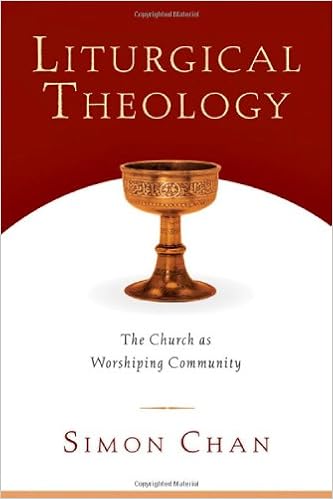
What I want to do, briefly, is show that Galli’s questions are not bizarre, or outside of a Pentecostal approach to church mission. So, in what follows, I’ll leave Galli behind and focus on the contributions of Simon Chan, a Classical Pentecostal theologian, who teaches in Singapore. In particular, his 2006 book, Liturgical Theology directly addresses the issues Galli is raising.
First, Chan strongly echoes Galli’s proposal that it is wrong to view the church as existing for the sake of the world. Chan puts it this way. We basically have two options theologically when it comes to understanding the church: either the church has been formed for the sake of the creation, or creation has been formed for the sake of the church. Get this wrong, and you will get everything else wrong about the purpose of the church.
Chan uses N.T. Wright as his foil (which causes me pause, because I really like Wright!). Wright takes the church-exists-for-creation approach, whereas Chan advocates for the creation-exists-for-the-church approach. Whereas Wright accents the Genesis creation story, Chan focuses on Paul’s broad scope summary of the purpose of the church in Ephesians. From Paul’s perspective, he argues, creation is formed in order that there would one day be a people of God (body or Christ, temple of the Spirit, etc.). Creation is important (and certainly not to be abused), but it is primarily the physical framework necessary for the church to be brought into existence. So, creation will continue (eventually as new creation), so that the church can continue eternally as well.
Church for creation?
This creation-for-church model, Chan argues, has always been God’s plan. To reverse the order makes the church into a temporary organization to help get creation back to where it should be. And, if the church isn’t doing this very well, then why not just join some other social justice organization? Pushed to it’s extreme, the church becomes just one of any number of social agencies, and perhaps even superfluous to God’s work in the world.
Now, I’m sure Wright would have a good response to this, since he is far more committed to the institutional church than the average North American evangelical. But I don’t want to go down the road of investigating Wright position. For my purposes, I think Chan has identified something very important, and something probably embedded into the assumptions of North American Pentecostals and broader evangelicalism. And it’s something we might never think to ask: does the church exist for creation, or creation for the church? How we answer this will determine our local church priorities.
Or creation for the church?
To clear up some potential misunderstandings, firstly, Chan is not saying that the world should serve the church. He is not seeking some form of return to Christendom, if I’m reading him correctly. He is only identifying the theological purpose (telos) of the church: creation was formed so that God could have relationship with a created people for himself in and through his Son, Jesus–the church.
Secondly, Chan is not saying that Christians should not do good in the world. Of course they should, and why wouldn’t they? This should be part of Christlikeness being lived out in daily life. So too, Christians should be involved in witness through evangelism. All believers should be prayerful about how to involve themselves in meaningful ways in the brokenness of society in all manner of ways. But the priority of the church corporate is to worship and form disciples, and in doing that, the church bears faithful witness to Jesus. To not do this means being a less-than-faithful witness.
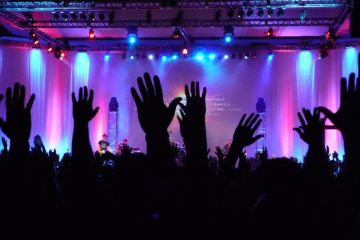
Side note: Chan would likely not endorse the concert worship model represented in this image. 🙂
This last point is worth a bit more explanation. It is often assumed that worship and discipleship is something other than witness, the latter being viewed as the activity of explicit evangelism. But in Chan’s view, the church is being a witness only insofar as it is truly representing the Trinity in the world as clearly as possible. The image of God is formed in God’s people through regular participation in thoughtful, intentional, theologically robust corporate liturgy. Worship and discipleship are inseparable for Chan, and only in being formed as the people of God does the church truly fulfill its call to bear witness in the power of the Spirit. And remember, Chan is a Classical Pentecostal.
What’s your view?
So, in sum, the church is called missionally to bear witness to the triune God by becoming formed as worshiping disciples more and more into the likeness of Jesus. I think this more or less summarizes key points in Chan’s view, and I think this is close to what Galli is getting at in his article. So, Pentecostals cannot simply dismiss Galli as ignoring the Christian vocation of witness; he is not. And in Chan we have at least one Pentecostal voice saying something remarkably similar.
The question is now in our court, and again, I’m not quite sure where I land on this one. How do you see the purpose of the church: church-for-creation or creation-for-church? And what theological support do you have for your position? Let the conversation begin!
Yesterday I had the opportunity to sit with Pastor Dave Larmour at King St. Community Church to discuss, “What about the Holy Spirit?” Rather than a one-way talk, the format was an arm-chair conversation, dealing with questions raised by the congregation concerning the Holy Spirit.
One theme I notice about the questions is that they usually have little to nothing to do with systematic theology (e.g., can you please define the personhood of the Spirit?), and almost everything to do with how we experience the Spirit (or not) in our Christian lives. This is actually a very New Testament way of thinking, since there we read about real people, like you and me, experiencing the presence and activity of the Spirit, and learning to live in relationship with God in everyday life–in both mundane and more unusual ways.
We couldn’t get to all the questions in the time we had, but did touch on some very important ones. The audio of this conversation is available below. Enjoy, follow, and comment.
KSCC site audio available here (or follow them on a podcast player). Or listen or download directly below.
Overcoming the Psychological Barrier of Speaking in Tongues
Ok, this title will probably over-promise and under-deliver. But I just wanted to post a link to a favourite epoisode of Greg Boyd’s Reknew podcast, where he outlines some of the psychological barriers we might encounter when trying to be open with experiences with God — in particular, speaking in tongues.
Now, understand that Greg is not a classical Pentecostal, and so will not interpret Acts the same as some denominational standards (e.g., the Pentecostal Assemblies of Canada). I actually think he over-simplifies when he rejects the classical Pentecostal way of reading Acts in the podcast linked below. But that’s not my focus here, and so let’s not let that get in the way of the great practical advice he gives when it comes to being “open” to unusual activities of the Spirit in our lives, including speaking on tongues.
“Open” is a metaphor that we often use in and outside church and spiritual contexts, but it is popular in spiritual lingo. By “open” here, then, I mean not allowing psychological barriers, whether of our own volition or not, to interrupt what God by the Holy Spirit might want to do in our lives.
Intellectual barriers that we might have are quite another matter, and will need to be addressed intentionally and fairly in other ways. I am not one to advocate for a “check your brain at the door” strategy for Christian faith and spirituality. This may have to do with my personality, but it also has to do with my anthropology (what I believe human beings are). In short, I think human beings are not merely brains on a stick (i.e., primarily rational creatures); nor do I believe we are merely a bundle of emotions and affections. We are both/and. So, any push to check our brains at the door is a push to ask humans to not be humans, something I don’t think that God wants of us.
At the same time, our brains can get in the way of simply being present and “in the moment” in all sorts of circumstances. We can, for example, enjoy a night out at a sporting event with our friends, or we can analyze what we and our friends are doing at the sporting event. This analyzing, rather than enjoying the moment, I’ll refer to here as our inner anthropologist.
Enjoying the moment, with friends or God, has not so much to do with rationality, as it has to do with knowing when to shut off the inner anthropologist. It is not irrational to enjoy time with others or with God. There is a time and place for anthropology with it’s “thick description” methods, but sometimes the inner-anthropologist needs to just join in the fun!
This, I think, is what Greg Boyd is getting at in his podcast liked below. Boyd is basically saying that we can psychologically block the working of the Holy Spirit within our lives by our inability to enjoy the moment, by letting the inner anthropologist unnecessarily work overtime when the work day is long over. If we learn to control our brains better (not check them at the door), we can actually focus on what we ought to be focused on in any given moment.
Quitting Time!
This includes moments of being open to the Spirit, and even to experiencing speaking in tongues, as mentioned in the book of Acts, chapter 2, and 1 Cor. 12 – 14.
Anyway, I played this in my Holy Spirit course this past week at Master’s College, and thought it would be worth passing it along to a broader audience. Click here for Boyd’s podcast.
Reflection: Has your inner anthropologist ever gotten in the way of you being in the moment, and experiencing the joys (or sorrows) of life, others, or God? What can we do to train our inner anthropologist to learn better manners and stop interrupting?
Recently we’ve started a new Sunday teaching series at my home church, King St. Community Church (Oshawa, ON), called, “What About…?” It deals with topics that are mainly matters of intra-Christian discussion or debate, including:
What about when I have questions or doubts about my faith?
What about women in church leadership?
What about what happens after I die?
What about God’s sovereignty–is God really in control?
What about the Holy Spirit?
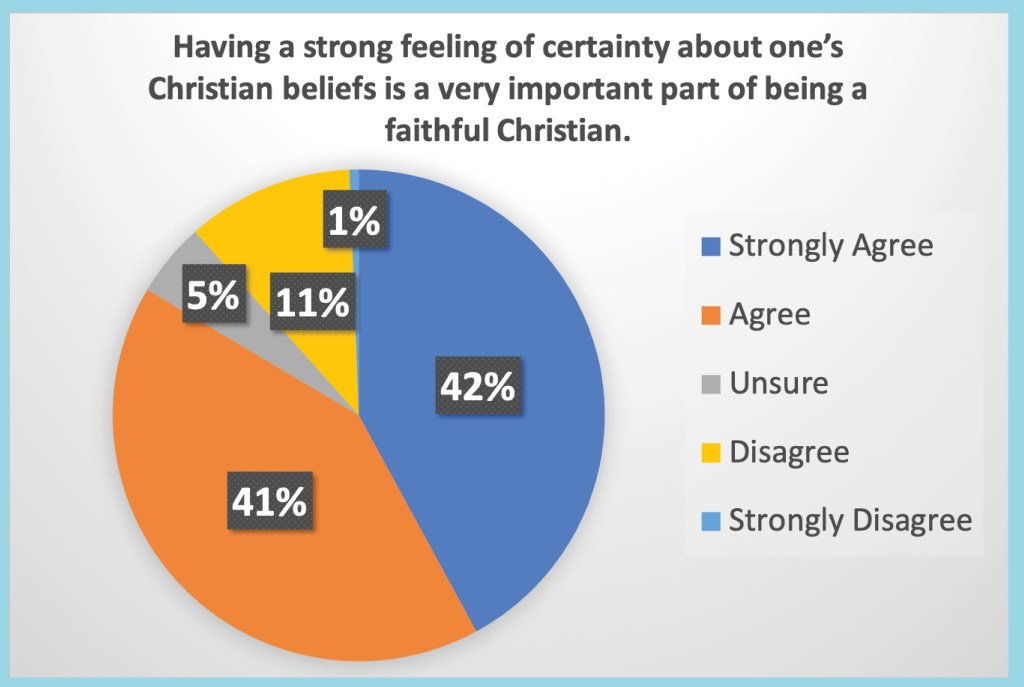
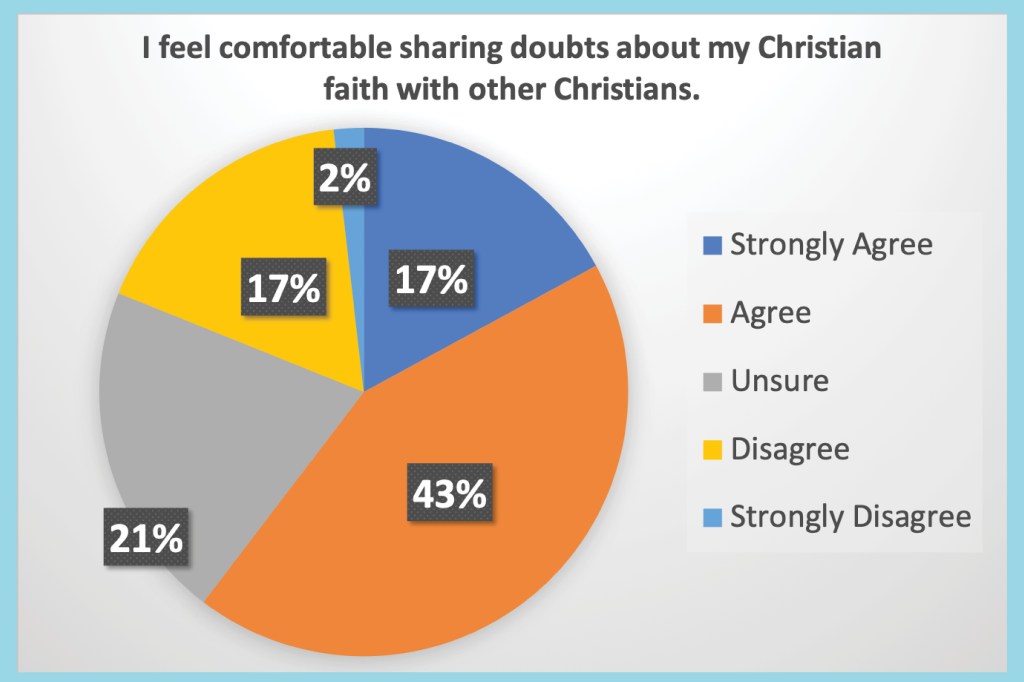
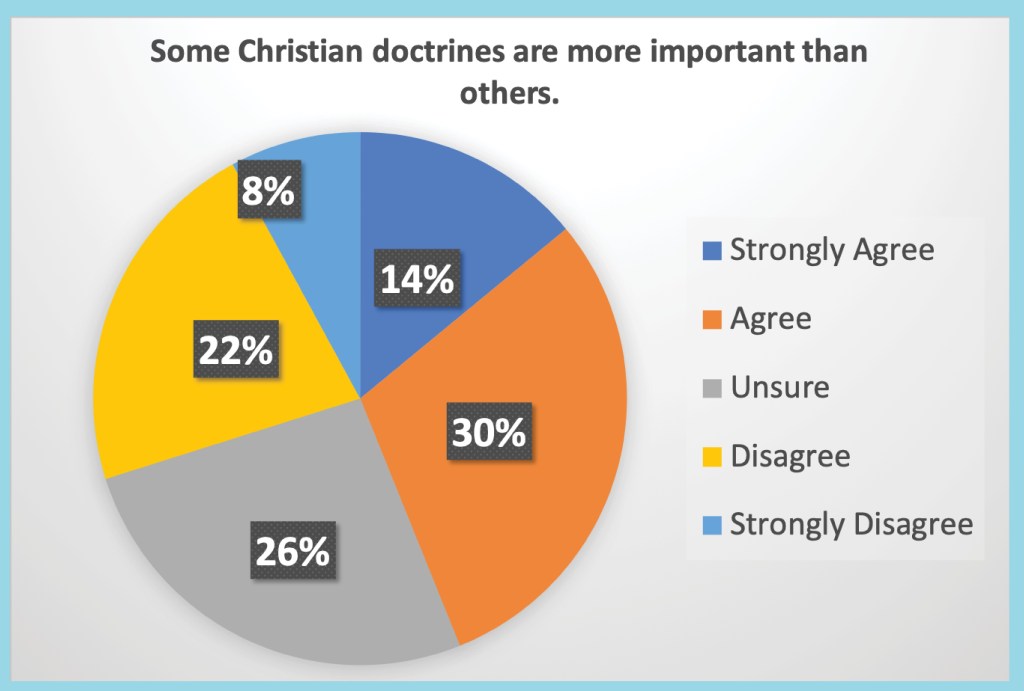
I’ll be involved in speaking in most of these sessions (all but the third one), and so I thought it might be valuable to post links to the audio of the teaching sessions. One of the cool things we’ve also been doing through the process is taking surveys of the congregation the week prior to each topic to see what they are thinking about the subject. I’ll also try to provide some of these results along the way.
What about when I have questions or doubts about my faith?
The first teaching was concerned having questions and doubts about the Christian faith, whether big or small. How do we handle this? This message was not about answers to specific questions, but about how to navigate the question/doubt process.
This talk was held on Mar. 10, 2019 at KSCC. Those who read my blogs will see a connection to my “Navigating through Doctrinal Change” series.
To access the audio for streaming or download from the King St site, click here. Or listen and/or download below.
“What about when I have Questions or doubts?” By Peter Neumann & Dave Larmour
The Pie Chart results of the survey for this teaching session are below.
This fall I saw Bohemian Rhapsody. Three times. I never see movies three times at a theatre, let alone a biopic. So why this one?
Well, I was pleasantly surprised when I saw it the first time. I felt like I’d been to a real concert.
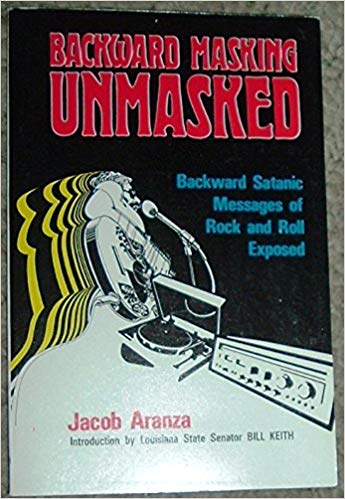
The backstory here is that 70s and 80s Pentecostal (and other) fundamentalist subculture passionately discouraged attending such events, and probably for some good reasons. (The farce of backward masking was not one of them.)
But having finally hit the 50-year mark earlier in the fall, my pathological need to bow to fundamentalist peer pressure was finally starting to crack. I found myself not only viewing the film, but captivated by the depiction of the rock band, Queen, and legendary front man, Freddy Mercury. I was intrigued by the creative rawness portrayed in the music-making process (at least what it was in the 70s), and enjoyed feeling something of the rapture of being caught up (no reference to dispensationalism intended) in participation with the multitude of concert-goers.
I wanted my family, especially my 21-year-old son, the guitar-player, to enjoy this experience as well. But I couldn’t get them all together for one unified viewing, and so was “forced” to go twice more (once with my wife and daughter, and once more with my son).
Everyone enjoyed the movie. We now own the soundtrack and another album or two from Queen. And I have a much fuller appreciation of Wayne’s World. Thank you, Mike Myers.
But since I’m a theology teacher, I couldn’t help but have a theological thought or two go through my mind while watching the film. In particular, I began to consider the connection between Queen and worship in the church.
Historical Accuracy: A Caveat
Before proceeding, I need to address a potential criticism of the film in order to avoid having my reflections derailed at the outset. I am aware that Bohemian Rhapsody was not entirely historically accurate on all accounts, especially timeline-wise, in its depiction of Freddy Mercury and the boys. My thoughts are only based on the movie’s rendering of the story. In other words, regardless of how historically precise the movie was or was not is irrelevant for my thoughts here. I’m simply using the film as a literary device for theological reflection. Please humour me.
In case my reference to literary device is unclear, let’s take another movie illustration. Remember in the original Spiderman film trilogy with Tobey Maguire, when uncle Ben told a young Peter Parker that “With much power comes much responsibility”? What can we learn from these wise words that’s applicable to our own lives? Much! And it’s irrelevant that there is no such historical person as Spiderman. We use a scene or dialogue from the movie or book as a tool (device) to spur on other thinking. That’s what I mean by literary device.
Now at this point my preamble has ended up being far too long, but I’m going to forge ahead anyway. I am also going to try very hard to avoid any cheesy applications here using lyrics to Queen’s songs (although in a way, didn’t Jesus come to show all of us that “crazy little thing called love”? Sorry.) Bohemian Rhapsody provoked two reflections for me concerning music and worship in contemporary evangelicalism; one is an affirmation, one is a challenge.
The Affirmation: Celebrate Creativity
Queen apparently worked hard to be creative in their music. More than one scene highlights this, but one stands out for me: the vignette of the band producing their first album.
To distinguish themselves from all the other bands out there, the band knew some new sounds were needed. Unique creativity was required, which would entail commitment and a willingness to take risks. And so, we’re shown the young band members selling their only van to pay for time in a recording studio to produce an album. In studio, bandmembers strive to produce new sounds through experimentation—trying everything from swinging amplifiers suspended by a rope, to tossing coins on a drum. Whether Queen was the first to do this type of thing is irrelevant to me (remember, literary device!). The point is that they are portrayed as working hard, giving resources, time, and energy for the sake of creativity.
This reminded me of the behind-the-scenes effort musicians and worship leaders put in to helping lead congregations, week after week, in creative ways. True, it’s not quite the same context. The goal of the worship leader is not primarily (or even at all?) to stand out from all the other leaders. And yet, God has given musical and artistic gifts to the church, and creativity needs to be given room to be cultivated. Not all expressions of our creativity will make it into a Sunday morning worship context (nor should it; see my second observation below). But artistic ability—whether musical or other fine arts—needs to be respected, honoured, given room, and enjoyed in the church, since it points us to the God who is the author of creativity. Being creative takes dedication and work. It takes time and energy—actual, physical brain energy. And it takes courage to present what you’ve created, whether song, painting, dance, and so forth, to the public.
So, kudos to all of you that put in the time to use the gifts that God has given to helping us better appreciate God’s creativity. Keep it up. Maybe even try some new things. Celebrate and enjoy creativity. Bohemian Rhapsody can remind us afresh of the value of the creativity and artistry God has woven into creation.
The Challenge: Distinguish between Corporate Worship and Concert
I was also reminded of a conviction I’ve held for some time, which is that a distinction needs to be made between a music concert and congregational singing in worship. I realize there is disagreement on this, depending on one’s philosophy of worship. See James MacKnight’s excellent recent blog on this here. And trust me, the title of his blog is cleverly and intentionally misleading—please read it!
My view is that worship serves a purpose, which is related to elevating the human view of God and forming people to reflect God’s image more accurately in and through relationship to Christ. In short, worship needs to be connected to the formation of disciples of Jesus, which in turn glorifies God. For me that is a central criterion for determining whether corporate worship is, well, worship at all. This means I tend to think there needs to be a mostly clear distinction between the concert venue and corporate worship venue (with some blurring of categories being inevitable). More about this in a moment.
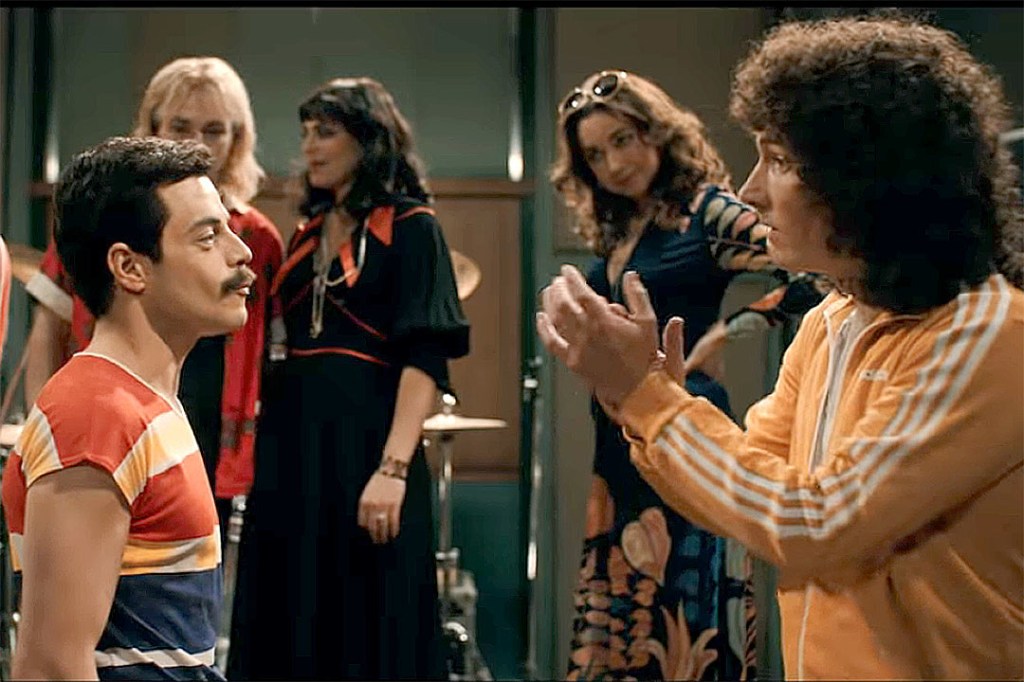
In another scene in Bohemian Rhapsody, lead guitarist Brian May has band members join him on a studio riser and begin stomping their feet and clapping with their hands to the now famous beat of “We Will Rock You.” May explains that he wants the fans to be able to participate more in Queen’s concerts, since they’ve already been trying to sing along with some of the band’s songs. What instruments does the average concert-goer have? Feet and hands. The audience is intentionally being invited to be part of the band, part of the musical experience.
The fact that participation is being made intentional here is noteworthy, since the crowd has gathered not to hear one another’s voices, but to hear Freddy and the band. Yet the recognition of what spectator participation does to enhance the overall concert experience leads Queen to purposefully incorporate crowd involvement into their act. Both band and audience participate in something bigger than what either could produce on their own.
Concert or Corporate Worship?
Back to corporate church worship. Above I proposed that corporate worship is not to be confused with a Christian concert. I’m not opposed to concerts, Christian or otherwise. They can be enjoyable, encouraging for faith, and simply fun. Why not? But concerts are not corporate worship, which exists for another purpose.
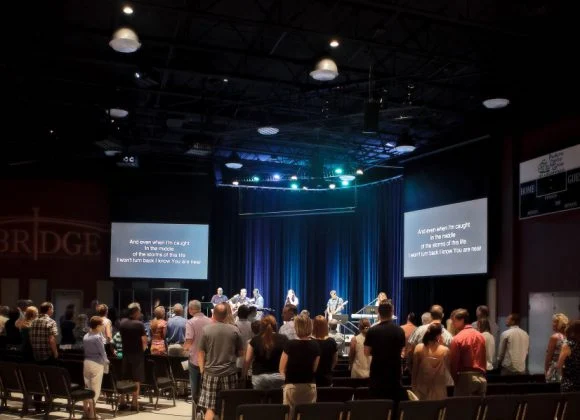
One criterion, for example, that I believe corporate worship needs to fulfil is to make the congregation appreciate that they are communally the body of Christ, the people of God. They must not only know this rationally (e.g., from points in a sermon), but must learn to feel this deeply and (eventually) intuitively. This can be encouraged in a number of ways, but our focus here is only the corporate worship context. In this setting the formation of the sense of communal belonging happens by actual participation in worship together, corporately.
Worship structure, including music, that does not encourage this bonding (what the NT calls “fellowship”—a shared value of spiritual commitment) may actually work against forming participants into thinking and feeling themselves to be members of God’s unique people. In other words, if the structure encourages the regular practice of being an observer, rather than a contributor to the worship experience, then the worshipper will learn intuitively that Christians are individual observers. And perhaps even that worship is about “me and Jesus” and not all those other people who happen to be around me. (By the way, isn’t this exactly what we are inclined to learn when we turn down the lights in worship, so we won’t be distracted by those around us?)
In other words, it’s quite likely that confusing a concert model with corporate worship actually works against at least some of the goals of corporate worship. Rather than offering an alternative to the powerful social forces and rhythms of secular culture—which shape and form us to be, above all, autonomous individuals—the concert model in many ways simply reinforces these.
(Sidebar: To support the above paragraph, and outlining the power of habitual action for discipleship formation, I would highly recommend James K.A. Smith’s, You Are What You Love. He outlines a rationality for discipleship formation by arguing that we become like what we love, what we desire most deeply. Regular, repetitive individual and corporate behaviours have the most impact on shaping what we love.)
Remember the Audience
Where am I going with this? I believe that much current corporate worship is modeled on a concert framework and attempts to evaluate itself based on concert criteria: excellent musician performance and crowd enjoyment (with maybe some participation). I believe this approach to be misguided and in the long-term simply reinforcing of cultural values that we perhaps later try to unsuccessfully mitigate with points in a sermon. I don’t want to overstate this point, since God works powerfully through worship teams despite using the concert model, but I’m convinced it’s not the best practice for discipleship formation.
What is best (or at least much better) practice is for the musicians to bear in mind that the corporate worship context is for the purpose of corporate worship. It is intended to encourage as much crowd participation as reasonably possible in our sometimes very large gatherings. Yes, the worship leaders are still called to excellence, but excellence is evaluated not on performance or every aspect of musical ability being expressed, but in large part on how well the congregation was able to participate in giving honour to God with mind and body (and without having had to practice their singing in advance).
If the average congregation attendee can only with great difficulty sing the songs being used on a Sunday gathering, we just might want to consider whether this really encourages participation or not. If it hinders participation, then something needs to change; that is unless something we value more than corporate worship as discipleship formation is driving us.
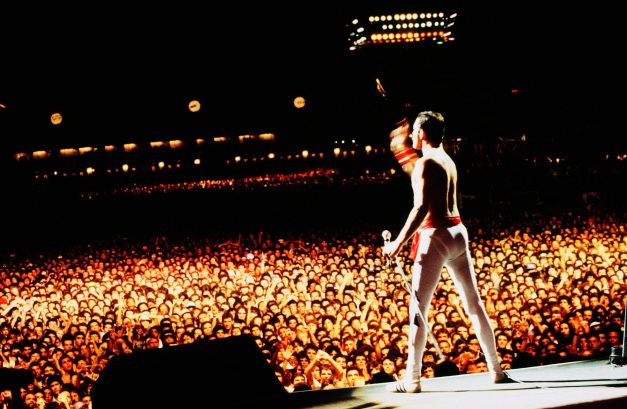
In any case, Bohemian Rhapsody brought afresh to my mind the need to remember the audience. In fact in one more memorable scene (my son calls it magical) the band is performing in Rio. The Portuguese-speaking audience spontaneously beings singing the English words to “Love of My Life.” Now, please ignore the fact that the film presents this concert probably a full ten years before it actually happened. (Remember, literary device! And to watch this magical moment from Rio in 1985, see here.) My point is that in the movie Freddy Mercury serves as an excellent example of one leading a crowd to sing a song together. He hardly even sings much of the song, even using his hands and arms to guide the crowd, since he knows he is no longer performing but leading. If Freddy could recognize a difference between performance and participation in his concerts, then maybe there’s something to this distinction after all.
Creativity Serves Worship
One more thought. Perhaps we can put both these ideas together: celebrating and encouraging creativity for the purpose of corporate worship. Creativity in this case will entail hard work and sacrifice, but will more intentionally be directed to an end—corporate discipleship formation. Here creativity does not exist for its own sake, but deliberately serves a bigger purpose. It may even recognize that constant innovation in corporate worship is arguably not best practice for long-term discipleship formation; creativity needs to serve a larger framework.
One application that I would encourage is that those creatively gifted in composing music and lyric-writing aim especially to write pieces that are not only biblically faithful (notice I didn’t say theologically complex), but also that are easy to sing corporately for the average person. Create songs that encourage maximum participation, with the goal building up one another into Christ’s body (Eph 4).
Who knew that Freddy Mercury could teach us so much about leading worship?












































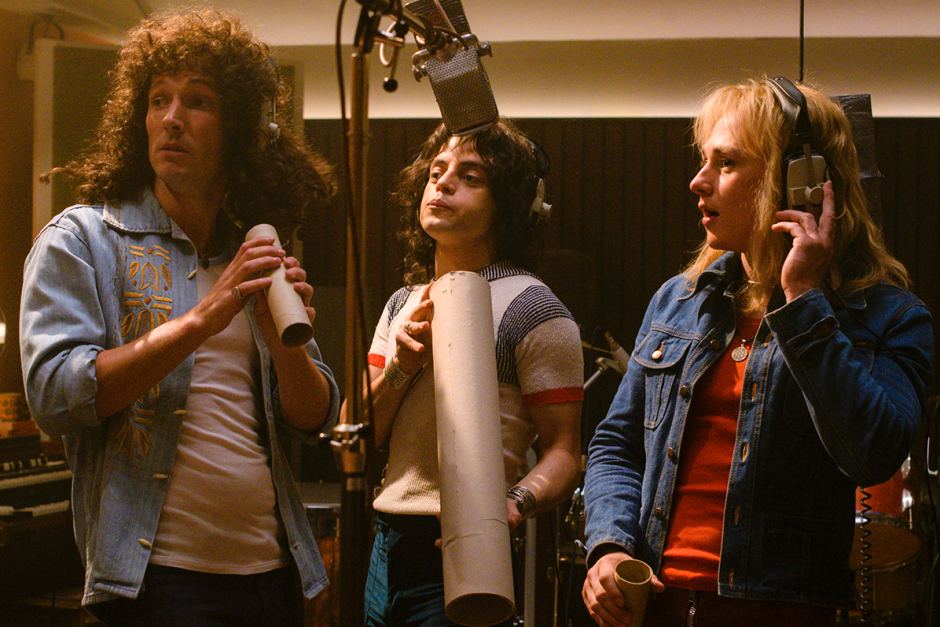 And so, we’re shown the young band members selling their only van to pay for time in a recording studio to produce an album. In studio, bandmembers strive to produce new sounds through experimentation—trying everything from swinging amplifiers suspended by a rope, to tossing coins on a drum. Whether Queen was the first to do this type of thing is irrelevant to me (remember, literary device!). The point is that they are portrayed as working hard, giving resources, time, and energy for the sake of creativity.







 Peter D. Neumann