
Admittedly, more than a little time has passed since my last blog.
But let’s think of this blog hiatus not so much as a matter of my being negligent, but more so of a long dramatic pause, in which anticipation has been building. Sort of like the year-long interlude between installments of The Hobbit or Hunger Game movies. 
This interruption raises some issues of continuity, of course, particularly because this instalment is a second part of a previous blog on worship. So it might be worth re-reading the first part. But without further ado, let’s get to it.
My contention to this point is that in Pentecostal (and broader popular evangelical) worship the subjective dimensions have been emphasized to the detriment of the objective. I’ve demonstrated what I mean by the “subjective” in my previous blog, namely having ourselves (humans) as the subject matter of our songs and prayers. Now I need to explain what I mean by “objective” and why it’s so crucial. Both aspects are necessary for properly formational worship, of course, but I think the objective dimension deserves priority.
By the objective dimension I am referring to God’s story being the focus, the subject matter, of our songs. This is the story we find in the Bible, and the story into which we find ourselves invited.
Subjectively-oriented worship songs highlight our personal relationship with God, through Christ by the Spirit, as an element of being included in God’s story. But this subjective dimension needs to be framed by God’s story lest we get the impression that all that matters is my personal relationship with God (and, more narrowly, the state of my internal psychological dispositions in that relationship). God’s story, the objective dimension of worship, is what gives meaning to the subjective dimension.
A focus on the objective dimension of worship means giving ample attention to God and his story. God’s story is found in Scripture. The Bible tells his story—his desires for humanity and creation, his plan, through Jesus, to redeem what has been broken and lost. The Bible does not simply make abstract statements about God (e.g., God is love), but places these in the context of a story that demonstrates the actions of God as, say, loving. What this means is that we don’t really know God unless we know his story. His story reveals his identity. Abstract concepts do not.
This implies that it is necessary but not sufficient simply to have the name “God,” “Father,” “Jesus,” or “Holy Spirit” in our songs. The subject matter of what we sing must not simply make offhand reference the proper names of God, but must actually revolve around God and his story. So, we need to ask ourselves about the subject matter of our songs. Is the song primarily about us or about God and his story? If the songs we sing in worship do not actually reiterate the story of God, then those singing will simply provide the content (from our imaginations) of what these names, or other abstract concepts, mean.
(So, it might not be a bad exercise to do a longer-term review of the songs regularly sung in our churches. In the past three months what has been the primary subject matter of our songs? God and his story, or us?)
The above may seem to be a fairly abstract way of talking about worship. But here’s what it practically implies for what we do when we gather together. In large part corporate worship is to be a reiteration or re-telling of the story of this God and his actions in history, with special attention given to the story of Jesus, through whom God’s redemptive plan is worked out. It is this that actually shapes the people of God to be what God wants them to be.
Assumed in what I’m saying here is a philosophical commitment that needs to be made explicit: I believe that worship needs to serve the ultimate purposes of discipleship and Christian formation. Worship ultimately serves discipleship. So, if worship is deficient, so too will be the discipleship of those regularly participating in that worship.
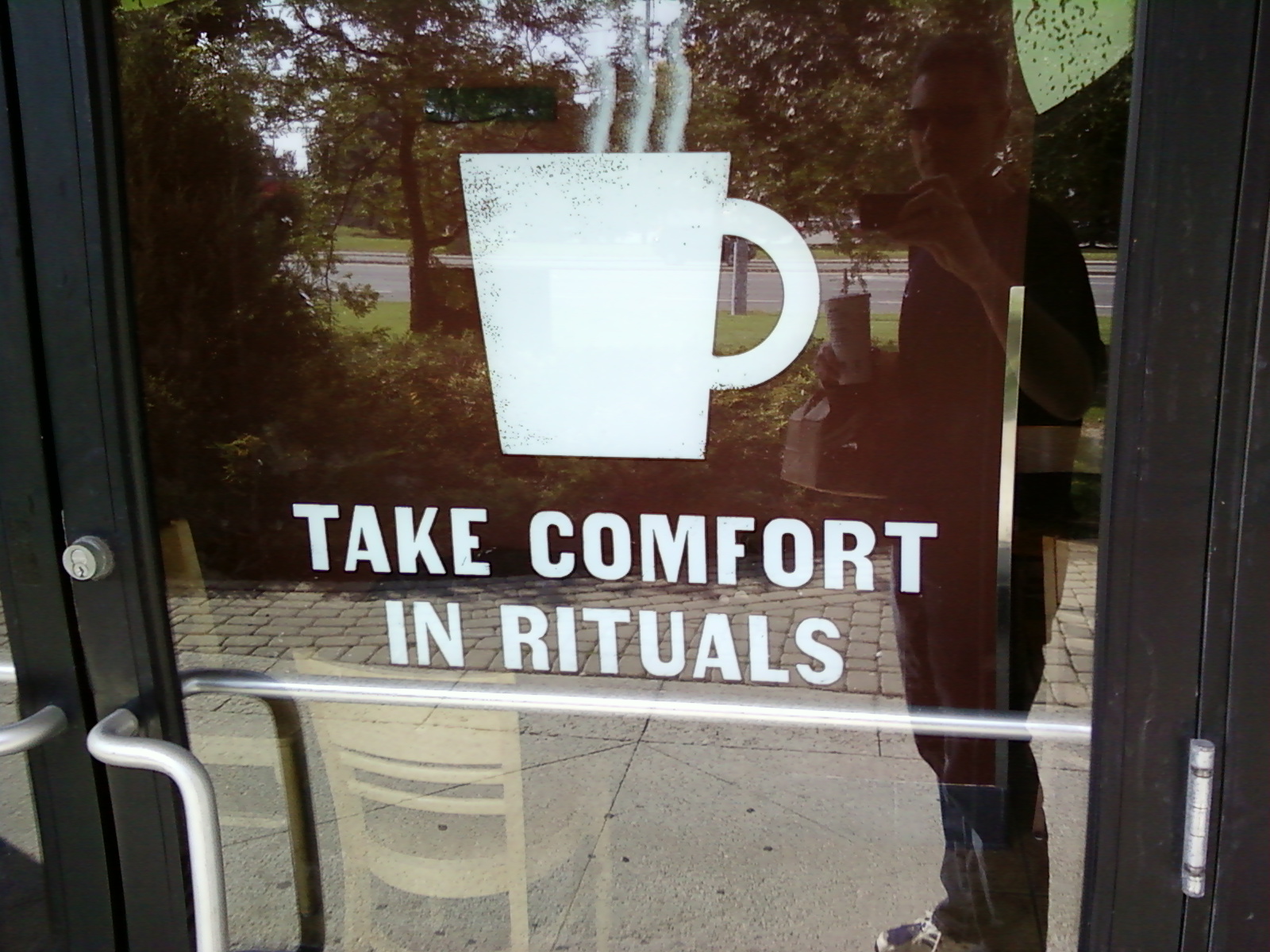 Here I’m not saying anything new. The church has always said that the “rule of prayer is the rule of faith.” In other words, the way we worship is what we believe; or, the way we worship shapes what we believe and who we are. But this means our worship needs to be theologically thoughtful and practically intentional—far more so than it often is. A couple good resources on this are the late Robert Webber’s, Ancient-Future Worship, and from a more pentecostal angle (note the small “p”), Glenn Packiam’s Re-Forming Worship.
Worship, then, is to serve to regularly retell and even re-enact the story of God, so that we are again and again (and again) reminded of the God with whom we have to do. Only in this way will our individual lives as followers of Jesus be properly given context. We will be drawn into a story that is much bigger than our own lives, and a story that in fact gives our lives meaning. In short, worship will help form us into the people—corporately and individually—that God intends us to be.
And this can only happen if the primary subject matter of our worship is God.
This view might well raise some objections and questions—particularly from Pentecostals, who might object that this view sounds too cerebral. I promise that’s not what I’m suggesting. But we will need to wait to address such concerns until the next installment, which I promise (pinky-swear) will not be long in coming.
 Peter D. Neumann